



Use Cases of Edge and Fog Computing in IoT
Edge computing and fog computing are transforming how Internet of Things (IoT) systems process and manage data efficiently. These technologies bring computation closer to data sources, enabling faster decision-making, reduced latency, and improved system performance.
Introduction to Edge and Fog Computing in IoT
Edge and fog computing play a critical role in modern IoT ecosystems by minimizing reliance on centralized cloud systems. They help process data locally or near the source, improving speed and efficiency. The list of key concepts and use cases is given below.
1. What is Edge Computing in IoT
Edge computing refers to processing data directly on IoT devices or nearby systems instead of sending it to the cloud. It enables real-time data handling and quick responses.
- Local Processing: Data is processed on devices like sensors or gateways
- Low Latency: Reduces delay in data transmission
- Real-Time Decisions: Immediate actions without cloud dependency
- Reduced Bandwidth Usage: Less data sent to central servers
2. What is Fog Computing in IoT
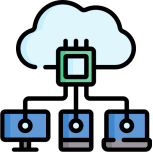
Fog computing extends cloud capabilities closer to IoT devices by using intermediate nodes like routers or gateways. It acts as a bridge between edge devices and the cloud.
- Intermediate Processing Layer: Data is processed between edge and cloud
- Distributed Architecture: Multiple nodes handle data processing
- Improved Scalability: Handles large IoT networks efficiently
- Enhanced Data Filtering: Reduces unnecessary data transfer
Key Use Cases of Edge Computing in IoT
Edge computing is widely used in applications that require instant decision-making and minimal latency. Below are the major use cases of edge computing in IoT systems.
1. Smart Cities and Traffic Management
Smart city systems use edge computing to manage traffic flow and reduce congestion in real time.
- Traffic Signal Control: Adjusts signals based on real-time traffic
- Accident Detection: Identifies incidents instantly
- Public Safety Monitoring: Uses cameras and sensors for surveillance
- Reduced Response Time: Faster emergency services
2. Industrial IoT (IIoT) and Smart Manufacturing
Industries use edge computing to monitor machines and optimize production processes.
- Predictive Maintenance: Detects faults before failure
- Real-Time Monitoring: Tracks machine performance
- Automation: Enables faster industrial processes
- Reduced Downtime: Improves operational efficiency
3. Healthcare and Remote Patient Monitoring
Edge computing helps in monitoring patients and delivering quick healthcare responses.
- Wearable Devices: Track health metrics in real time
- Emergency Alerts: Immediate notifications for critical conditions
- Data Privacy: Sensitive data processed locally
- Faster Diagnosis: Quick medical decision-making
4. Autonomous Vehicles and Smart Transportation
Self-driving vehicles rely on edge computing for instant decision-making.
- Real-Time Data Processing: Immediate analysis of surroundings
- Collision Avoidance: Detects obstacles instantly
- Navigation Systems: Improves route planning
- Low Latency Response: Ensures safety and reliability
5. Retail and Smart Stores
Retail businesses use edge computing to enhance customer experience and operations.
- Smart Checkout Systems: Automated billing
- Customer Behavior Analysis: Tracks shopping patterns
- Inventory Management: Real-time stock updates
- Personalized Recommendations: Improves sales
Key Use Cases of Fog Computing in IoT
Fog computing is ideal for large-scale IoT systems where data needs to be processed at multiple levels. Below are important use cases of fog computing in IoT.
1. Smart Grid and Energy Management
Fog computing enables efficient energy distribution and monitoring in smart grids.
- Energy Consumption Analysis: Monitors usage patterns
- Load Balancing: Distributes power efficiently
- Fault Detection: Identifies issues quickly
- Real-Time Control: Improves energy reliability
2. Environmental Monitoring Systems
Fog computing helps monitor environmental conditions in real time.
- Air Quality Monitoring: Tracks pollution levels
- Weather Monitoring: Collects climate data
- Disaster Prediction: Early warnings for natural disasters
- Data Aggregation: Combines data from multiple sensors
3. Agriculture and Smart Farming
Farmers use fog computing to improve crop production and resource management.
- Soil Monitoring: Measures moisture and nutrients
- Irrigation Control: Automates watering systems
- Crop Health Analysis: Detects diseases early
- Resource Optimization: Reduces water and fertilizer usage
4. Video Surveillance and Security Systems
Fog computing processes video data closer to the source for faster analysis.
- Real-Time Video Analytics: Detects suspicious activities
- Face Recognition: Identifies individuals
- Event Detection: Alerts for unusual behavior
- Reduced Cloud Load: Filters data before sending
5. Transportation and Logistics Management
Fog computing improves logistics operations by managing data across networks.
- Fleet Management: Tracks vehicle locations
- Route Optimization: Reduces travel time
- Cargo Monitoring: Ensures safety of goods
- Data Synchronization: Coordinates between systems
Comparison of Edge vs Fog Computing Use Cases
Edge and fog computing differ in how and where data processing occurs. The table below highlights their differences based on use cases.
| Feature | Edge Computing | Fog Computing |
|---|---|---|
| Processing Location | On-device or near sensors | Between edge and cloud |
| Latency | Very low | Low |
| Scalability | Limited to device level | High due to distributed nodes |
| Best Use Cases | Real-time decisions, autonomous systems | Large-scale IoT systems, data aggregation |
| Data Handling | Immediate processing | Filtering and aggregation |
| Examples | Autonomous vehicles, wearables | Smart grids, smart cities networks |
Benefits of Using Edge and Fog Computing in IoT
Edge and fog computing provide significant advantages in IoT environments by improving performance and efficiency. The list of key benefits is given below.
1. Reduced Latency
Data is processed closer to the source, minimizing delays and enabling real-time responses.
- Faster Decision Making: Immediate actions
- Improved User Experience: Quick system response
- Critical Applications Support: Ideal for healthcare and vehicles
2. Bandwidth Optimization
These technologies reduce the amount of data sent to the cloud.
- Efficient Data Transfer: Only necessary data is transmitted
- Lower Network Costs: Reduces bandwidth usage
- Optimized Performance: Less network congestion
3. Enhanced Security and Privacy
Local data processing improves data protection and reduces exposure.
- Data Encryption: Secures sensitive information
- Local Storage: Reduces risk of data breaches
- Controlled Access: Better data governance
4. Scalability and Flexibility
Fog computing especially allows scaling IoT systems efficiently.
- Distributed Architecture: Supports large networks
- Flexible Deployment: Works in various environments
- Resource Optimization: Efficient use of computing power
Challenges in Implementing Edge and Fog Computing
Despite many benefits, implementing these technologies comes with challenges. The list of key challenges is given below.
1. Complex Infrastructure
Managing distributed systems requires advanced setup and maintenance.
- Multiple Devices: Hard to manage
- Integration Issues: Compatibility problems
- Deployment Complexity: Requires expertise
2. Security Risks
Distributed environments increase potential attack points.
- Device Vulnerability: Edge devices can be targeted
- Data Leakage: Risk during transmission
- Network Security: Requires strong protection mechanisms
3. Limited Resources at Edge
Edge devices often have limited processing power and storage.
- Hardware Constraints: Limited computing capacity
- Energy Consumption: Power limitations
- Performance Trade-offs: Balance between speed and capability
4. Data Management Challenges
Handling large volumes of IoT data across layers is complex.
- Data Synchronization: Maintaining consistency
- Storage Issues: Managing distributed data
- Processing Complexity: Handling real-time and batch data
Conclusion
Edge and fog computing are essential technologies for modern IoT systems, enabling faster processing, reduced latency, and efficient data management. Their use cases across industries like healthcare, smart cities, agriculture, and manufacturing highlight their importance in building intelligent and responsive systems.