



Role of Cloud in IoT Architecture
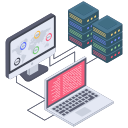
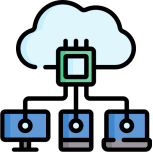
Cloud computing plays a critical role in IoT architecture by providing scalable storage, powerful data processing, and seamless connectivity for billions of connected devices. It acts as the backbone that enables IoT systems to function efficiently, securely, and globally.
What is the Role of Cloud in IoT Architecture?
Cloud in IoT architecture refers to the use of remote servers and services to store, process, and manage data generated by IoT devices. It allows devices to communicate, analyze data, and deliver intelligent results over the internet.
The key roles of cloud in IoT architecture are explained in the list of core cloud functions given below:
1. Data Storage and Management
Cloud platforms provide large-scale storage systems to handle massive amounts of IoT data generated continuously from sensors and devices.
- Unlimited Storage Capacity: Cloud offers scalable storage without physical limitations
- Centralized Data Management: All IoT data is stored in one place for easy access
- Data Backup and Recovery: Automatic backup ensures data safety and reliability
- Efficient Data Organization: Structured and unstructured data can be managed effectively
2. Data Processing and Analytics
Cloud enables powerful computing capabilities to process raw IoT data and convert it into meaningful insights.
- Real-Time Data Processing: Immediate analysis of incoming data streams
- Big Data Analytics: Advanced tools to analyze large datasets
- AI and Machine Learning Integration: Smart decision-making based on patterns
- Event Detection: Identifies unusual activities or conditions instantly
3. Device Connectivity and Communication
Cloud acts as a communication bridge between IoT devices, applications, and users.
- Device-to-Cloud Communication: Direct connection of devices to cloud servers
- Protocol Support: Supports MQTT, HTTP, CoAP for communication
- Remote Device Access: Devices can be controlled from anywhere
- Interoperability: Connects different types of devices and systems
4. Scalability and Flexibility
Cloud allows IoT systems to scale resources based on demand without manual intervention.
- Auto Scaling: Resources increase or decrease automatically
- Flexible Infrastructure: Easily adapt to changing workloads
- Support for Millions of Devices: Handles large-scale IoT deployments
- Cost Optimization: Pay only for the resources used
5. Security and Data Protection
Cloud platforms provide strong security mechanisms to protect IoT data and devices.
- Data Encryption: Secures data during transmission and storage
- Access Control: Authentication and authorization mechanisms
- Threat Detection: Identifies and prevents cyber threats
- Regular Security Updates: Keeps systems protected from vulnerabilities
Cloud Architecture Components in IoT
Cloud in IoT consists of multiple components that work together to provide services and functionality.
The main components of cloud architecture in IoT are explained in the list below:
1. Cloud Servers
Cloud servers are powerful machines that store and process IoT data.
- High Computing Power: Handles complex computations
- Virtualization: Multiple virtual machines run on a single server
- Reliability: Ensures continuous availability of services
2. Cloud Storage Systems
These systems store large volumes of IoT data efficiently.
- Object Storage: Used for unstructured data like images and videos
- Database Systems: Structured data storage for quick retrieval
- Data Replication: Copies data across multiple locations
3. Cloud Platforms and Services
Cloud platforms provide tools and services for IoT application development.
- Platform as a Service (PaaS): Development environment for IoT apps
- Infrastructure as a Service (IaaS): Provides virtual machines and networks
- Software as a Service (SaaS): Ready-to-use applications
4. APIs and Integration Services
APIs enable communication between IoT devices and cloud applications.
- REST APIs: Standard communication interface
- Third-Party Integration: Connects external services
- Data Exchange: Smooth transfer of information
Benefits of Using Cloud in IoT Architecture
Cloud computing enhances the overall performance and efficiency of IoT systems.
The major benefits of using cloud in IoT are listed below:
1. Improved Performance
Cloud ensures fast processing and quick response time.
- High-Speed Computing: Processes data efficiently
- Low Latency (with optimization): Faster communication
- Load Balancing: Distributes workload evenly
2. Cost Efficiency
Cloud reduces infrastructure and maintenance costs.
- No Hardware Investment: No need to buy servers
- Pay-As-You-Go Model: Pay only for usage
- Reduced Maintenance Costs: Managed by cloud providers
3. Global Accessibility
Cloud enables access to IoT systems from anywhere in the world.
- Remote Access: Monitor and control devices globally
- Multi-Device Support: Access from mobile, laptop, or tablet
- 24/7 Availability: Continuous system access
4. Easy Deployment and Management
Cloud simplifies the deployment and management of IoT systems.
- Quick Setup: Launch IoT solutions rapidly
- Centralized Monitoring: Manage all devices from one dashboard
- Automatic Updates: Keeps systems up-to-date
Challenges of Cloud in IoT Architecture
Despite its advantages, cloud-based IoT systems face several challenges.
The key challenges of cloud in IoT are discussed in the list below:
1. Latency Issues
Delay can occur when data travels between devices and cloud servers.
- Real-Time Limitations: Not suitable for ultra-fast responses
- Network Dependency: Requires stable internet connection
- Solution: Edge computing can reduce latency
2. Security Risks
IoT systems are vulnerable to cyber threats if not properly secured.
- Data Breaches: Sensitive data may be exposed
- Unauthorized Access: Weak authentication systems
- Need for Strong Security Policies: Continuous monitoring required
3. Data Privacy Concerns
User data must be handled carefully to maintain privacy.
- Sensitive Information Storage: Personal and business data
- Compliance Requirements: Must follow regulations
- Data Ownership Issues: Control over stored data
4. Bandwidth Consumption
Large IoT systems generate huge data traffic.
- High Data Transmission: Continuous data flow from devices
- Network Congestion: Can slow down performance
- Cost Increase: Higher bandwidth usage leads to higher cost
Cloud vs Edge Computing in IoT
Cloud computing and edge computing are both important in IoT architecture, but they serve different purposes.
| Feature | Cloud Computing | Edge Computing |
|---|---|---|
| Data Processing | Centralized | Local (near devices) |
| Latency | Higher | Very Low |
| Scalability | High | Limited |
| Cost | Pay-as-you-go | Initial setup cost |
| Use Case | Data analysis, storage | Real-time processing |
Real-World Example of Cloud in IoT
Cloud plays a vital role in real-world IoT applications by enabling smart and connected systems.
Smart Home System
A smart home uses IoT devices connected to the cloud for automation and control.
- Data Collection: Sensors collect temperature, motion, and light data
- Cloud Processing: Data is analyzed in the cloud
- User Interaction: Users control devices through mobile apps
- Automation: Devices respond automatically based on conditions
Conclusion
Cloud computing is a fundamental component of IoT architecture that enables data storage, processing, connectivity, and intelligent decision-making. It supports scalability, security, and global access, making IoT systems more powerful and efficient. However, challenges like latency and security must be managed carefully to ensure optimal performance.