
IoT Cloud Platforms (AWS IoT, Azure IoT, Google Cloud IoT)
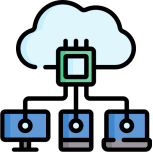
IoT cloud platforms play a critical role in connecting, managing, and analyzing data from billions of IoT devices using scalable cloud infrastructure. These platforms simplify IoT development by providing ready-to-use tools, services, and security features.
In this section, a list of major IoT cloud platforms and their importance is given below.
- Device Connectivity: Connects sensors and smart devices to the cloud
- Data Management: Stores and processes large volumes of IoT data
- Scalability: Supports millions of devices without performance issues
- Security: Ensures safe communication and data protection
- Analytics Tools: Provides insights using AI and data analytics
Overview of Major IoT Cloud Platforms
Modern IoT solutions rely on powerful cloud platforms to handle device communication, data processing, and real-time decision-making. The most widely used platforms include AWS IoT, Microsoft Azure IoT, and Google Cloud IoT.
In this section, a list of these IoT platforms and their core features is given below.
1. AWS IoT Platform
AWS IoT, provided by Amazon Web Services, is a leading IoT platform offering secure device connectivity and powerful cloud services for IoT applications.
- Device Gateway: Enables secure communication between devices and cloud
- IoT Core: Manages device connections and message routing
- Rules Engine: Processes and filters incoming data streams
- Integration: Works with other AWS services like Lambda and S3
- Security: Provides encryption, authentication, and access control
2. Azure IoT Platform
Azure IoT, developed by Microsoft Azure, is a comprehensive platform designed for enterprise-level IoT solutions with strong integration capabilities.
- IoT Hub: Central service for device communication and monitoring
- Digital Twins: Models real-world environments digitally
- Edge Computing: Processes data closer to devices using Azure IoT Edge
- AI Integration: Supports machine learning and predictive analytics
- Security Features: Includes identity management and threat protection
3. Google Cloud IoT Platform
Google Cloud IoT, offered by Google Cloud Platform, focuses on data analytics, machine learning, and real-time insights for IoT systems.
- Cloud IoT Core: Manages device connections and messaging
- Big Data Integration: Works with BigQuery for large-scale analytics
- AI & ML Tools: Uses TensorFlow and AI services for smart insights
- Event Processing: Handles real-time data streams efficiently
- Global Infrastructure: Ensures fast and reliable data access worldwide
Key Features of IoT Cloud Platforms
IoT cloud platforms provide essential features that help developers build, deploy, and manage IoT applications efficiently. These features ensure performance, security, and scalability in IoT systems.
In this section, a list of key features of IoT cloud platforms is given below.
1. Device Management
Device management allows users to monitor, control, and update IoT devices remotely.
- Remote Monitoring: Track device performance in real-time
- Firmware Updates: Update device software over the air
- Device Registration: Easily add and manage new devices
- Health Monitoring: Detect faults and failures early
2. Data Processing and Analytics
IoT platforms process large volumes of data and provide insights for decision-making.
- Real-Time Processing: Analyze data instantly as it arrives
- Batch Processing: Process large datasets periodically
- Predictive Analytics: Forecast trends using AI models
- Visualization Tools: Display data in dashboards and reports
3. Security and Compliance
Security is a critical component of IoT cloud platforms to protect devices and data.
- Authentication: Verifies device identity before access
- Encryption: Secures data during transmission and storage
- Access Control: Limits permissions for users and devices
- Compliance: Meets industry standards and regulations
4. Scalability and Flexibility
IoT platforms are designed to scale as the number of devices and data increases.
- Auto Scaling: Adjusts resources based on workload
- Global Deployment: Supports worldwide device connectivity
- Flexible Architecture: Works with different IoT applications
- Cost Optimization: Pay only for resources used
Comparison of AWS IoT, Azure IoT, and Google Cloud IoT
Understanding the differences between these platforms helps in selecting the right solution for specific IoT needs.
| Feature | AWS IoT | Azure IoT | Google Cloud IoT |
|---|---|---|---|
| Ease of Use | Moderate | Easy for enterprise users | Developer-friendly |
| Device Management | Strong | Very Strong | Good |
| AI & Analytics | Good | Advanced | Excellent |
| Integration | Best with AWS ecosystem | Strong Microsoft integration | Best with Google AI tools |
| Scalability | Very High | Very High | Very High |
| Security | Advanced | Enterprise-level | Strong |
Use Cases of IoT Cloud Platforms
IoT cloud platforms are used across multiple industries to improve efficiency, automation, and decision-making.
In this section, a list of real-world use cases is given below.
1. Smart Homes
IoT platforms manage smart devices like lights, thermostats, and security systems.
- Remote Control: Control devices using mobile apps
- Automation: Schedule and automate tasks
- Energy Efficiency: Optimize power consumption
2. Industrial IoT (IIoT)
Industries use IoT platforms for monitoring machines and improving production processes.
- Predictive Maintenance: Detect issues before failures occur
- Real-Time Monitoring: Track machine performance
- Process Optimization: Improve operational efficiency
3. Healthcare Systems
IoT platforms help in remote patient monitoring and healthcare management.
- Wearable Devices: Track patient health data
- Remote Monitoring: Monitor patients from anywhere
- Data Analysis: Improve diagnosis and treatment
4. Smart Cities
IoT cloud platforms enable better management of urban infrastructure.
- Traffic Management: Reduce congestion using real-time data
- Waste Management: Optimize garbage collection
- Energy Management: Improve power distribution
Advantages of Using IoT Cloud Platforms
IoT cloud platforms offer multiple benefits that simplify development and improve system performance.
In this section, a list of advantages is given below.
1. Faster Development
Developers can quickly build IoT applications using pre-built services.
- Ready-to-Use Tools: Reduce development time
- APIs and SDKs: Simplify integration
- Cloud Services: Eliminate infrastructure setup
2. Cost Efficiency
Cloud platforms reduce the need for physical infrastructure and maintenance.
- Pay-As-You-Go: Pay only for usage
- No Hardware Cost: No need for expensive servers
- Reduced Maintenance: Cloud provider handles updates
3. High Reliability
IoT platforms ensure continuous operation with minimal downtime.
- Redundancy: Backup systems prevent failures
- High Availability: Systems remain accessible 24/7
- Fault Tolerance: Handles errors efficiently
4. Enhanced Security
Advanced security features protect IoT systems from threats.
- Secure Communication: Protects data transfer
- Access Management: Controls user permissions
- Threat Detection: Identifies potential risks
Challenges of IoT Cloud Platforms
Despite many benefits, IoT cloud platforms also face certain challenges that need to be managed effectively.
In this section, a list of challenges is given below.
1. Data Privacy Issues
Handling sensitive data requires strong privacy measures.
- Data Breaches: Risk of unauthorized access
- Compliance Requirements: Must follow regulations
- User Trust: Requires secure data handling
2. Latency Issues
Cloud-based processing may cause delays in real-time applications.
- Network Delay: Data travels long distances
- Real-Time Limitations: Not suitable for ultra-fast decisions
- Edge Computing Need: Requires local processing
3. Complexity in Integration
Integrating IoT devices with cloud platforms can be complex.
- Different Protocols: Devices use various communication standards
- System Compatibility: Requires proper configuration
- Maintenance Complexity: Managing large systems is challenging
4. Cost Management
Improper usage can increase cloud costs significantly.
- Unexpected Charges: Due to high data usage
- Resource Overuse: Inefficient allocation
- Monitoring Needs: Requires cost tracking tools
Conclusion
IoT cloud platforms like AWS IoT, Azure IoT, and Google Cloud IoT provide powerful solutions for managing connected devices, processing data, and building scalable applications. Each platform offers unique strengths, making them suitable for different use cases. By understanding their features, advantages, and challenges, developers and businesses can choose the right platform to build efficient and secure IoT systems.