Integration of IoT Devices with Cloud Platforms
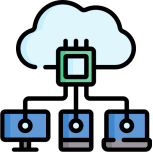
The integration of IoT devices with cloud platforms is a key concept in modern technology that enables real-time data processing, storage, and intelligent decision-making. It allows devices to communicate, share data, and perform actions efficiently using powerful cloud infrastructure.
What is IoT and Cloud Integration?
IoT and cloud integration refers to connecting physical devices (sensors, actuators) with cloud computing platforms to store, process, and analyze data over the internet. This combination enhances scalability, accessibility, and automation in IoT systems.
Below is the list of core concepts involved in IoT and cloud integration.
1. IoT Devices and Sensors
IoT devices are physical objects embedded with sensors and software that collect data from the environment and send it to the cloud for processing.
- Data Collection: Devices gather real-time data such as temperature, humidity, or motion
- Connectivity: Devices connect using Wi-Fi, Bluetooth, or cellular networks
- Automation: Devices can perform actions based on received instructions
2. Cloud Platforms
Cloud platforms provide storage, computing power, and services required to manage IoT data efficiently.
- Data Storage: Stores large volumes of IoT data securely
- Processing Power: Analyzes data using cloud servers
- Service Availability: Provides APIs and tools for application development
3. Communication Protocols
Protocols define how IoT devices communicate with cloud platforms.
- MQTT: Lightweight protocol for efficient communication
- HTTP/HTTPS: Common web-based communication method
- CoAP: Designed for constrained devices with low power
How IoT Devices Connect to Cloud Platforms
IoT devices follow a structured process to connect and communicate with cloud platforms effectively.
Below is the list of steps explaining how IoT devices connect to the cloud.
1. Data Generation
Devices collect data continuously from the physical environment using sensors.
- Real-Time Monitoring: Tracks live conditions
- Event Detection: Identifies specific triggers or changes
- Data Sampling: Captures data at defined intervals
2. Data Transmission
The collected data is transmitted to the cloud through network connections.
- Wireless Communication: Uses internet-based connectivity
- Gateway Support: IoT gateways help in secure data transfer
- Protocol Usage: Ensures efficient and reliable communication
3. Cloud Processing
Cloud systems process incoming data to generate meaningful insights.
- Data Filtering: Removes unnecessary or duplicate data
- Data Analysis: Uses algorithms for insights
- Decision Making: Triggers automated responses
4. Data Storage and Visualization
Processed data is stored and presented to users through dashboards.
- Cloud Databases: Store structured and unstructured data
- Visualization Tools: Graphs, charts, and reports
- User Access: Accessible from anywhere
Key Components of IoT-Cloud Integration
Understanding the core components helps in building efficient IoT systems integrated with cloud platforms.
Below is the list of important components used in IoT-cloud integration.
1. IoT Devices
These are the source of data in the system.
- Sensors: Collect environmental data
- Actuators: Perform actions based on commands
- Embedded Systems: Control device operations
2. IoT Gateway
Acts as a bridge between devices and cloud platforms.
- Data Aggregation: Combines data from multiple devices
- Protocol Translation: Converts communication protocols
- Security Layer: Adds encryption and authentication
3. Cloud Infrastructure
Provides backend support for IoT systems.
- Compute Services: Process large-scale data
- Storage Services: Store IoT data
- Networking: Ensures connectivity and data flow
4. Application Layer
User-facing layer where data is visualized and controlled.
- Dashboards: Display real-time data
- Mobile Apps: Allow remote monitoring
- Control Systems: Enable device management
Benefits of Integrating IoT with Cloud Platforms
IoT-cloud integration provides several advantages that improve system performance and usability.
Below is the list of key benefits of integrating IoT devices with cloud platforms.
1. Scalability
Cloud platforms allow easy scaling of IoT systems as the number of devices increases.
- Flexible Resources: Scale up or down based on demand
- Handling Large Data: Supports big data processing
- Future Growth: Easily accommodates new devices
2. Cost Efficiency
Reduces the need for expensive hardware and maintenance.
- Pay-As-You-Go: Pay only for used resources
- No Infrastructure Cost: No need to build data centers
- Reduced Maintenance: Cloud provider manages systems
3. Remote Access
Users can access IoT systems from anywhere in the world.
- Global Connectivity: Access through internet
- Multi-Device Access: Use smartphones, laptops, tablets
- Real-Time Monitoring: Track systems remotely
4. Data Analytics
Cloud enables advanced analytics for better decision-making.
- Predictive Analysis: Forecast future trends
- Machine Learning: Improve system intelligence
- Real-Time Insights: Instant data processing
Challenges in IoT and Cloud Integration
Despite its advantages, integrating IoT with cloud platforms comes with certain challenges.
Below is the list of common challenges in IoT-cloud integration.
1. Security Issues
Protecting IoT data and devices from cyber threats is critical.
- Data Encryption: Required for secure communication
- Authentication: Ensures authorized access
- Cyber Attacks: Risk of hacking and data breaches
2. Latency Problems
Delay in data transmission can affect real-time applications.
- Network Delay: Slow internet affects performance
- Processing Delay: Time taken for cloud processing
- Critical Applications: Not suitable for ultra-low latency needs
3. Data Management Complexity
Handling large volumes of data can be challenging.
- Big Data Handling: Requires efficient storage
- Data Filtering: Remove unnecessary data
- Data Organization: Structured storage is needed
4. Compatibility Issues
Different devices and platforms may not work together easily.
- Standardization Lack: No universal standards
- Device Diversity: Different manufacturers
- Integration Complexity: Requires custom solutions
IoT Cloud Platforms Comparison
Different cloud platforms offer various features for IoT integration. The table below compares some key aspects.
| Feature | AWS IoT | Azure IoT | Google Cloud IoT |
|---|---|---|---|
| Scalability | Very High | High | High |
| Ease of Use | Moderate | Moderate | Easy |
| Integration | Strong | Strong | Strong |
| Analytics | Advanced | Advanced | Advanced |
| Pricing | Pay-as-you-go | Pay-as-you-go | Pay-as-you-go |
Real-World Example of IoT and Cloud Integration
Real-world applications help in understanding how IoT and cloud work together effectively.
Below is the list explaining a smart home system as an example.
1. Smart Home System
A smart home uses IoT devices connected to the cloud for automation and monitoring.
- Temperature Sensors: Monitor room temperature
- Cloud Processing: Analyze data and detect patterns
- Mobile App: Users control devices remotely
- Automation: Adjust temperature automatically
Future Trends in IoT and Cloud Integration
The future of IoT and cloud integration is evolving rapidly with new technologies.
Below is the list of future trends in IoT-cloud integration.
1. Edge and Cloud Integration
Combining edge computing with cloud for faster processing.
- Reduced Latency: Faster response time
- Local Processing: Process data near devices
- Efficient Systems: Balance between edge and cloud
2. AI and Machine Learning Integration
Enhances intelligence of IoT systems.
- Smart Decisions: Automated decision-making
- Predictive Maintenance: Detect issues early
- Improved Accuracy: Better data analysis
3. 5G Technology
Improves connectivity for IoT devices.
- High Speed: Faster data transfer
- Low Latency: Real-time communication
- Massive Connectivity: Supports more devices
Conclusion
The integration of IoT devices with cloud platforms plays a vital role in building scalable, efficient, and intelligent systems. It enables real-time data processing, remote access, and advanced analytics, making it essential for modern applications like smart homes, healthcare, and industrial automation.