

Cloud Computing in IoT
Cloud computing in IoT is a powerful combination that enables efficient data storage, processing, and management of connected devices. It helps IoT systems scale easily, process large volumes of data, and deliver real-time insights for smarter decision-making.
What is Cloud Computing in IoT?
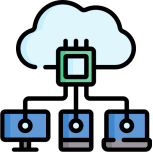
Cloud computing in IoT refers to the use of cloud platforms to store, process, and analyze data generated by IoT devices. It allows devices to communicate with centralized servers over the internet for better performance and scalability. The list of key aspects of cloud computing in IoT is given below.
1. Definition of Cloud Computing in IoT
Cloud computing in IoT means storing IoT data on remote servers instead of local systems, enabling global access and centralized control.
- Remote Data Storage: IoT data is stored in cloud data centers instead of local devices
- Internet-Based Access: Users can access data from anywhere using the internet
- Centralized Management: All devices and data are managed from a single platform
- Scalability: Resources can be increased or decreased based on demand
2. How Cloud Supports IoT Systems
Cloud platforms act as the backbone of IoT systems by handling data flow, storage, and processing.
- Data Collection: IoT devices send data to cloud servers
- Data Processing: Cloud processes large volumes of data efficiently
- Data Analysis: Advanced analytics tools provide meaningful insights
- Response Delivery: Processed data is sent back to users or devices
Importance of Cloud Computing in IoT
Cloud computing is essential for IoT because it provides the infrastructure needed to handle massive data and device communication efficiently. The list of importance factors is given below.
1. Scalability and Flexibility
Cloud computing allows IoT systems to scale easily as the number of devices grows.
- Dynamic Resource Allocation: Add or remove resources as needed
- Support for Large Networks: Handles thousands to millions of devices
- Flexible Infrastructure: Adapts to changing workloads
2. Cost Efficiency
Cloud reduces the need for expensive hardware and maintenance.
- Pay-As-You-Go Model: Pay only for the resources used
- No Hardware Investment: No need to buy physical servers
- Reduced Maintenance Costs: Cloud provider manages infrastructure
3. Global Accessibility
Cloud enables access to IoT data from anywhere in the world.
- Remote Monitoring: Control devices from remote locations
- Multi-Device Access: Use smartphones, laptops, or tablets
- Real-Time Updates: Instant data availability
4. High Availability and Reliability
Cloud systems ensure continuous operation of IoT applications.
- Redundant Systems: Backup servers prevent data loss
- Fault Tolerance: System continues even if one component fails
- 24/7 Availability: Always accessible services
Key Components of Cloud Computing in IoT
Cloud computing in IoT consists of multiple components that work together to provide seamless data processing and storage. The list of core components is given below.
1. Cloud Storage
Cloud storage is used to store large volumes of IoT data securely and efficiently.
- Data Warehousing: Stores structured and unstructured data
- Backup Storage: Keeps copies of important data
- Scalable Storage: Expands based on data requirements
2. Cloud Processing
Cloud processing handles data computation and analytics for IoT systems.
- Big Data Processing: Processes massive datasets
- Real-Time Processing: Handles streaming data instantly
- Batch Processing: Processes data in scheduled intervals
3. Cloud Networking
Cloud networking ensures smooth communication between IoT devices and cloud servers.
- Secure Communication: Uses encryption protocols
- Data Transmission: Transfers data efficiently
- Load Balancing: Distributes traffic across servers
4. Cloud Analytics
Cloud analytics converts raw IoT data into useful insights.
- Data Visualization: Presents data in charts and dashboards
- Predictive Analytics: Forecasts future trends
- Machine Learning Integration: Improves decision-making
How Cloud Computing Works in IoT
Cloud computing in IoT follows a structured process to collect, process, and deliver data efficiently. The step-by-step working process is given below.
1. Data Collection from IoT Devices
IoT devices such as sensors collect data from the environment and send it to the cloud.
- Sensors Capture Data: Temperature, humidity, motion, etc.
- Data Transmission: Data sent via internet protocols
- Continuous Monitoring: Devices collect data continuously
2. Data Transmission to Cloud
Data is transmitted securely from IoT devices to cloud servers.
- Wireless Communication: Wi-Fi, cellular, or Bluetooth
- Secure Channels: Encryption ensures safe transfer
- Gateway Devices: Act as intermediaries
3. Data Processing in Cloud
Cloud platforms process the received data using advanced tools.
- Data Filtering: Removes unnecessary information
- Data Aggregation: Combines data from multiple sources
- Computation: Performs calculations and analysis
4. Data Storage and Analysis
Processed data is stored and analyzed for insights.
- Database Storage: Structured data storage
- Analytics Tools: Generate reports and predictions
- Historical Data Analysis: Helps in trend analysis
5. Data Access and Action
Users or systems access processed data and take actions.
- User Dashboards: Visual representation of data
- Automated Actions: Trigger alerts or responses
- Decision Making: Helps improve system efficiency
Benefits of Cloud Computing in IoT
Cloud computing provides multiple advantages that enhance the performance and efficiency of IoT systems. The list of benefits is given below.
1. Improved Data Management
Cloud helps in organizing and managing large volumes of IoT data.
- Centralized Storage: All data stored in one place
- Easy Retrieval: Quick access to information
- Data Consistency: Maintains accuracy
2. Enhanced Security
Cloud platforms provide strong security mechanisms for IoT data.
- Data Encryption: Protects sensitive data
- Access Control: Restricts unauthorized access
- Monitoring Systems: Detects threats
3. Real-Time Processing
Cloud enables instant processing of IoT data.
- Immediate Insights: Quick decision-making
- Event Detection: Identifies issues instantly
- Fast Response: Reduces delays
4. Integration with Advanced Technologies
Cloud supports integration with AI, machine learning, and big data tools.
- Smart Automation: Automates processes
- Predictive Maintenance: Prevents failures
- Intelligent Systems: Improves performance
Challenges of Cloud Computing in IoT
Despite its advantages, cloud computing in IoT also faces several challenges that need to be addressed. The list of challenges is given below.
1. Latency Issues
Data processing in distant cloud servers can cause delays.
- Slow Response Time: Not suitable for real-time applications
- Network Dependency: Requires stable internet
- Delay in Critical Systems: Affects time-sensitive tasks
2. Security and Privacy Concerns
IoT data is sensitive and requires strong protection.
- Data Breaches: Risk of unauthorized access
- Privacy Issues: Personal data exposure
- Cyber Attacks: Vulnerability to hackers
3. Bandwidth Limitations
Large data transmission can consume significant bandwidth.
- Network Congestion: Slows down communication
- High Data Traffic: Increases load on networks
- Cost of Data Transfer: Can be expensive
4. Dependence on Internet Connectivity
Cloud-based IoT systems rely heavily on internet availability.
- Downtime Issues: Internet failure affects operations
- Limited Offline Capability: Cannot function without connectivity
- Reliability Concerns: Performance depends on network quality
Cloud vs Edge vs Fog in IoT
Cloud computing is often compared with edge and fog computing in IoT systems to understand their roles and differences. The comparison table is given below.
| Feature | Cloud Computing | Edge Computing | Fog Computing |
|---|---|---|---|
| Location | Centralized data centers | Near devices | Between edge and cloud |
| Latency | High | Very Low | Low |
| Processing | Centralized | Local | Distributed |
| Scalability | Very High | Limited | Moderate |
| Use Case | Big data analytics | Real-time processing | Intermediate processing |
Real-World Applications of Cloud Computing in IoT
Cloud computing enables various real-world IoT applications by providing scalable and reliable infrastructure. The list of applications is given below.
1. Smart Homes
Cloud connects home devices for automation and control.
- Remote Control: Control appliances via mobile apps
- Energy Management: Monitor power usage
- Security Systems: Smart cameras and alarms
2. Healthcare Systems
Cloud-based IoT improves healthcare monitoring and management.
- Remote Patient Monitoring: Track health data
- Data Storage: Store patient records
- Real-Time Alerts: Notify doctors of emergencies
3. Smart Cities
Cloud helps manage city infrastructure efficiently.
- Traffic Management: Control traffic flow
- Waste Management: Optimize garbage collection
- Public Safety: Monitor surveillance systems
4. Industrial IoT (IIoT)
Cloud supports industrial automation and monitoring.
- Predictive Maintenance: Detect equipment failures
- Production Monitoring: Track performance
- Supply Chain Management: Improve logistics
Conclusion
Cloud computing in IoT plays a critical role in enabling scalable, efficient, and intelligent systems by handling massive data and providing powerful analytics. While it offers many benefits such as cost efficiency, global access, and advanced processing, challenges like latency and security must be managed carefully for optimal performance.
Chapter 07: Cloud Computing in IoT – Subtopics
- Cloud Computing in IoT Explained
- Role of Cloud in IoT Systems
- How IoT and Cloud Computing Work Together
- Benefits of Cloud Computing in IoT
- IoT Data Storage in Cloud Computing
- Cloud-Based IoT Architecture Overview
- Real-Time Data Processing Using Cloud in IoT
- IoT Cloud Platforms (AWS IoT, Azure IoT, Google Cloud IoT)
- Scalability in IoT Using Cloud Computing
- Remote Monitoring and Control with Cloud IoT
- Integration of IoT Devices with Cloud Platforms
- Data Analytics in Cloud for IoT
- Security in Cloud-Based IoT Systems
- Cost Optimization in IoT Using Cloud
- Cloud vs Edge Computing in IoT
- IoT Data Backup and Disaster Recovery in Cloud
- APIs and Cloud Services in IoT
- Challenges of Cloud Computing in IoT
- Hybrid Cloud Models in IoT
- Future of Cloud Computing in IoT