









Role of Microcontrollers in IoT Devices
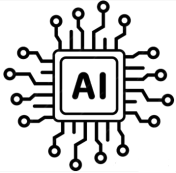
Microcontrollers are the brain of IoT devices, enabling smart decision-making, data processing, and communication between connected systems. They play a critical role in controlling sensors, actuators, and overall device behavior in real-time environments.
What is a Microcontroller in IoT?
A microcontroller is a compact integrated circuit designed to perform specific control tasks in embedded systems and IoT devices. It combines processing, memory, and input/output interfaces in a single chip for efficient operation.
The list of key concepts related to microcontrollers in IoT is given below.
1. Definition and Basic Concept
A microcontroller is a small computer on a chip that executes programmed instructions to control IoT device operations. It is optimized for real-time processing and low power consumption.
2. Core Components of a Microcontroller
Microcontrollers consist of essential internal components that allow them to function efficiently in IoT systems.
- CPU (Central Processing Unit): Executes instructions and processes data
- Memory (RAM, ROM, Flash): Stores programs and temporary data
- Input/Output Ports: Connect sensors, actuators, and other devices
- Timers and Counters: Manage time-based operations
- Communication Interfaces: Enable connectivity like UART, SPI, I2C
3. Microcontroller vs Microprocessor
Microcontrollers are different from microprocessors in terms of design and usage.
| Feature | Microcontroller | Microprocessor |
|---|---|---|
| Integration | All-in-one chip | Requires external components |
| Power Consumption | Low | High |
| Cost | Affordable | Expensive |
| Usage | Embedded systems, IoT | General computing |
Importance of Microcontrollers in IoT Devices
Microcontrollers are essential for building efficient, scalable, and intelligent IoT systems. They enable automation, real-time processing, and device communication.
The list of major importance of microcontrollers in IoT is given below.
1. Real-Time Data Processing
Microcontrollers process data instantly from sensors, allowing IoT devices to react quickly to environmental changes.
- Example: Temperature sensor triggers cooling system instantly
2. Device Control and Automation
They control actuators and automate tasks based on programmed logic.
- Example: Smart lights turn on/off automatically
3. Low Power Consumption
Microcontrollers are designed for energy efficiency, making them ideal for battery-powered IoT devices.
- Benefit: Longer device lifespan and reduced energy cost
4. Compact and Cost-Effective Design
They integrate multiple components in a small chip, reducing hardware complexity and cost.
- Use Case: Wearable devices and smart sensors
5. Connectivity Support
Microcontrollers support communication protocols required for IoT connectivity.
- Protocols: Wi-Fi, Bluetooth, Zigbee, LoRa
Working of Microcontrollers in IoT Devices
Microcontrollers operate by collecting input, processing data, and controlling outputs in IoT systems. This process enables smart and automated device functionality.
The step-by-step working process of microcontrollers in IoT is given below.
1. Input Data Collection
Microcontrollers receive data from sensors such as temperature, motion, or pressure.
- Example: A sensor detects room temperature
2. Data Processing
The CPU processes the collected data using programmed instructions.
- Logic: If temperature > threshold → trigger action
3. Decision Making
Based on programmed conditions, the microcontroller decides the next action.
- Example: Turn on fan if temperature is high
4. Output Execution
Microcontrollers send signals to actuators or other devices to perform actions.
- Example: Activate motor or LED
5. Communication with Cloud
Processed data is transmitted to cloud platforms for storage and analysis.
- Benefit: Remote monitoring and control
Types of Microcontrollers Used in IoT
Different types of microcontrollers are used in IoT devices depending on application requirements, performance, and cost.
The list of common types of microcontrollers used in IoT is given below.
1. 8-bit Microcontrollers
These are simple and cost-effective microcontrollers used in basic IoT applications.
- Features: Low power, limited processing capability
- Example Use: Basic sensors and small devices
2. 16-bit Microcontrollers
These provide better performance and are used in moderate-level applications.
- Features: Improved speed and efficiency
- Example Use: Industrial automation
3. 32-bit Microcontrollers
These are powerful microcontrollers used in advanced IoT systems.
- Features: High performance, better memory, multitasking
- Example Use: Smart homes, healthcare devices
4. Wireless Microcontrollers
These include built-in communication modules for IoT connectivity.
- Features: Integrated Wi-Fi/Bluetooth
- Example Use: Smart devices and wearables
Popular Microcontrollers for IoT Development
Several microcontrollers are widely used in IoT development due to their performance and community support.
The list of commonly used microcontrollers in IoT is given below.
1. Arduino Microcontrollers
Arduino boards are beginner-friendly and widely used for IoT prototyping.
- Features: Easy programming, open-source
- Use Case: Learning and small IoT projects
2. ESP8266 and ESP32
These are popular Wi-Fi-enabled microcontrollers used in IoT devices.
- Features: Built-in Wi-Fi, low cost, high performance
- Use Case: Smart home applications
3. ARM Cortex-Based Microcontrollers
These provide high performance and are used in complex IoT systems.
- Features: Powerful processing, scalability
- Use Case: Industrial IoT
4. PIC Microcontrollers
These are reliable and used in embedded systems with stable performance.
- Features: Low power, high efficiency
- Use Case: Automation systems
Advantages of Microcontrollers in IoT Devices
Microcontrollers offer multiple benefits that make them ideal for IoT environments.
The list of advantages of microcontrollers in IoT is given below.
1. Energy Efficiency
Microcontrollers consume very low power, making them suitable for long-term deployments.
2. Real-Time Operation
They provide instant response to input signals, enabling fast decision-making.
3. Integration Capability
Multiple functions are integrated into a single chip, reducing system complexity.
4. Scalability
Microcontrollers can be used in small to large-scale IoT applications.
5. Cost Effectiveness
They reduce overall system cost due to compact design and minimal hardware requirements.
Challenges of Using Microcontrollers in IoT
Despite their advantages, microcontrollers also face certain limitations in IoT systems.
The list of challenges related to microcontrollers in IoT is given below.
1. Limited Processing Power
Microcontrollers cannot handle heavy computations compared to full computers.
2. Memory Constraints
They have limited storage capacity, which restricts complex applications.
3. Security Risks
IoT devices with microcontrollers can be vulnerable to cyber attacks if not secured properly.
4. Limited Multitasking
Handling multiple tasks simultaneously can be challenging in low-end microcontrollers.
5. Hardware Constraints
Upgrading or modifying hardware can be difficult once deployed.
Real-World Applications of Microcontrollers in IoT
Microcontrollers are used in a wide range of IoT applications across industries.
The list of real-world applications is given below.
1. Smart Home Systems
Microcontrollers control lighting, temperature, and security systems in smart homes.
- Example: Automated lighting and smart thermostats
2. Healthcare Devices
They are used in wearable health monitoring devices.
- Example: Heart rate and fitness trackers
3. Industrial Automation
Microcontrollers control machines and monitor industrial processes.
- Example: Automated production lines
4. Agriculture IoT
Used in smart farming for monitoring soil and weather conditions.
- Example: Automated irrigation systems
5. Smart Cities
Microcontrollers help manage traffic, energy, and public services.
- Example: Smart traffic lights
Conclusion
Microcontrollers are the core components that make IoT devices intelligent, efficient, and responsive. They enable real-time data processing, automation, and seamless communication, making them essential for modern IoT systems. As IoT continues to grow, microcontrollers will play an even more important role in building smart, connected, and scalable solutions across industries.