






Introduction to Fog Computing in IoT
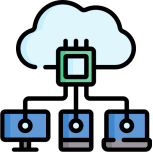
Fog Computing in IoT is a decentralized computing model that extends cloud computing closer to IoT devices, enabling faster data processing and reduced latency. It acts as an intermediate layer between edge devices and cloud servers to improve performance and efficiency.
Below is the list of key concepts related to fog computing definition and understanding.
1. Definition of Fog Computing
Fog Computing refers to a distributed computing architecture where data processing, storage, and networking services are performed closer to IoT devices rather than relying only on centralized cloud systems.
- Decentralized Processing: Data is processed near the source instead of sending everything to the cloud
- Intermediate Layer: Works between IoT devices and cloud infrastructure
- Low Latency: Reduces delay in data communication
- Efficient Resource Use: Minimizes bandwidth consumption
2. Origin of Fog Computing
Fog Computing was introduced to overcome the limitations of traditional cloud computing, especially in IoT environments where real-time processing is critical.
- Developed by Cisco: Introduced to support IoT scalability
- Inspired by Cloud Computing: Extends cloud capabilities to the network edge
- Need for Real-Time Systems: Required for applications like smart cities and healthcare
3. Key Concept of Fog Layer
The fog layer acts as a bridge between IoT devices and cloud systems, handling data locally before sending it to the cloud.
- Local Data Processing: Handles time-sensitive data
- Temporary Storage: Stores data for quick access
- Filtering Mechanism: Sends only important data to the cloud
Why Fog Computing is Needed in IoT
Fog Computing is essential in IoT to handle massive data generated by devices efficiently and to ensure faster response times. It solves many issues faced by cloud-only architectures.
Below is the list of reasons explaining the need for fog computing in IoT.
1. Reducing Latency
Fog computing minimizes delay by processing data near the source instead of sending it to distant cloud servers.
- Real-Time Processing: Suitable for critical applications
- Faster Decision Making: Immediate responses for IoT systems
- Improved Performance: Reduces communication delays
2. Bandwidth Optimization
By processing data locally, fog computing reduces the amount of data sent to the cloud, saving network bandwidth.
- Less Data Transmission: Only filtered data goes to cloud
- Efficient Network Usage: Avoids congestion
- Cost Reduction: Saves data transfer costs
3. Enhancing Security
Fog computing improves security by limiting data exposure and processing sensitive information locally.
- Data Localization: Sensitive data stays near devices
- Reduced Attack Surface: Less data traveling over the internet
- Better Control: Local monitoring and management
4. Supporting Real-Time Applications
Fog computing is ideal for applications that require instant responses such as autonomous vehicles and healthcare systems.
- Immediate Data Processing: No delays in critical systems
- Reliable Operations: Ensures system stability
- High Availability: Supports continuous operation
Architecture of Fog Computing in IoT
Fog computing architecture consists of multiple layers that work together to process and manage IoT data efficiently.
Below is the list of layers involved in fog computing architecture.
1. IoT Device Layer
This layer includes sensors, actuators, and connected devices that generate data.
- Data Generation: Devices collect real-world data
- Initial Processing: Some preprocessing may occur
- Communication: Sends data to fog layer
2. Fog Layer
The fog layer processes data locally and acts as an intermediary between devices and cloud.
- Edge Processing: Performs real-time data analysis
- Data Filtering: Reduces unnecessary data transfer
- Local Storage: Temporary data storage
3. Cloud Layer
The cloud layer handles long-term storage, advanced analytics, and centralized management.
- Big Data Processing: Handles large datasets
- Long-Term Storage: Stores historical data
- Advanced Analytics: Performs complex computations
4. Communication Layer
This layer ensures smooth data transfer between IoT devices, fog nodes, and cloud servers.
- Network Connectivity: Uses protocols like Wi-Fi, 5G
- Secure Transmission: Ensures data integrity
- Efficient Routing: Optimizes data flow
Key Features of Fog Computing
Fog computing provides several features that make it suitable for IoT applications and real-time data processing.
Below is the list of important features of fog computing.
1. Low Latency
Fog computing ensures faster response by processing data closer to the source.
- Quick Data Handling: Reduces processing time
- Real-Time Decisions: Ideal for time-sensitive tasks
2. Location Awareness
Fog nodes can process data based on their geographic location, improving system efficiency.
- Localized Services: Context-aware processing
- Better Accuracy: Improved decision-making
3. Scalability
Fog computing can easily scale to support a growing number of IoT devices.
- Flexible Expansion: Add more fog nodes as needed
- Efficient Resource Management: Handles large-scale deployments
4. Interoperability
Fog computing supports communication between different devices and platforms.
- Multiple Device Support: Works with various IoT devices
- Standard Protocols: Ensures compatibility
Fog Computing vs Cloud Computing
Fog computing and cloud computing work together but have different roles in IoT systems. Understanding their differences helps in choosing the right approach.
Comparison Table
| Feature | Fog Computing | Cloud Computing |
|---|---|---|
| Location | Near IoT devices | Centralized data centers |
| Latency | Low latency | Higher latency |
| Processing | Local processing | Centralized processing |
| Bandwidth Usage | Reduced | High |
| Scalability | Moderate | High |
| Use Case | Real-time applications | Data storage and analytics |
Advantages of Fog Computing in IoT
Fog computing offers multiple benefits that improve the performance and efficiency of IoT systems.
Below is the list of advantages of fog computing.
1. Improved Response Time
- Fast Processing: Immediate data analysis
- Real-Time Output: Quick system responses
2. Reduced Data Load
- Data Filtering: Only relevant data is sent
- Efficient Storage: Reduces cloud storage needs
3. Better Reliability
- Local Operations: Works even if cloud fails
- Fault Tolerance: Ensures system stability
4. Enhanced User Experience
- Smooth Performance: Faster system interaction
- Reduced Delays: Improved responsiveness
Challenges of Fog Computing
Despite its benefits, fog computing also faces certain challenges that need to be addressed.
Below is the list of challenges in fog computing.
1. Complex Management
- Multiple Nodes: Difficult to manage distributed systems
- Configuration Issues: Requires proper setup
2. Security Concerns
- Distributed Environment: More points of attack
- Data Protection: Needs strong security measures
3. High Infrastructure Cost
- Hardware Requirement: Requires fog nodes
- Maintenance Cost: Ongoing management expenses
4. Standardization Issues
- Lack of Standards: No universal protocols
- Compatibility Problems: Integration challenges
Real-World Applications of Fog Computing in IoT
Fog computing is widely used in various industries to support real-time and efficient IoT systems.
Below is the list of real-world applications of fog computing.
1. Smart Cities
- Traffic Management: Real-time traffic control
- Energy Management: Efficient power usage
2. Healthcare Systems
- Patient Monitoring: Real-time health tracking
- Emergency Response: Instant alerts
3. Industrial IoT (IIoT)
- Predictive Maintenance: Detect equipment failures
- Automation: Improves production efficiency
4. Autonomous Vehicles
- Real-Time Decision Making: Immediate processing of sensor data
- Safety Systems: Quick response to hazards
Conclusion of Fog Computing in IoT
Fog Computing plays a crucial role in modern IoT systems by enabling faster data processing, reducing latency, and improving overall efficiency. It complements cloud computing by handling real-time tasks locally while the cloud manages long-term storage and analytics, making IoT systems more reliable, scalable, and responsive.