Remote Monitoring and Control with Cloud IoT
Remote Monitoring and Control with Cloud IoT is transforming how devices, machines, and systems are managed from anywhere in the world. It enables real-time tracking, automation, and intelligent decision-making using cloud-based platforms.
What is Remote Monitoring and Control in Cloud IoT?
Remote Monitoring and Control in Cloud IoT refers to the ability to observe, manage, and control IoT devices over the internet using cloud computing platforms. It allows users to access real-time data and perform actions without physical presence.
The list of key concepts related to remote monitoring and control is given below.
1. Remote Monitoring
Remote monitoring involves collecting data from IoT devices and viewing it through cloud dashboards in real time. It helps in tracking performance, detecting issues, and improving system efficiency.
- Real-Time Data Access: Users can monitor device data instantly from anywhere
- Performance Tracking: Helps in analyzing system behavior over time
- Alerts and Notifications: Sends warnings when abnormal conditions occur
2. Remote Control
Remote control allows users to send commands to IoT devices via cloud platforms to control their operations. It enables automation and reduces manual intervention.
- Command Execution: Turn devices ON/OFF or adjust settings remotely
- Automation: Predefined rules can automate tasks without human input
- Efficiency Improvement: Reduces downtime and manual work
How Cloud IoT Enables Remote Monitoring and Control
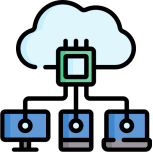
Cloud computing provides the infrastructure and tools required to connect, process, and manage IoT devices remotely. It ensures scalability, reliability, and secure communication.
The list of working steps in cloud-enabled remote monitoring is given below.
1. Data Collection from IoT Devices
IoT sensors and devices collect environmental or operational data and send it to the cloud. This data can include temperature, location, humidity, or machine status.
- Sensors Capture Data: Devices collect real-world information
- Continuous Data Flow: Data is transmitted regularly
- Wide Device Support: Works with various IoT devices
2. Data Transmission via Network
The collected data is sent to the cloud using internet connectivity such as Wi-Fi, cellular networks, or LPWAN.
- Secure Communication: Data is encrypted during transfer
- Multiple Protocols: Uses MQTT, HTTP, or CoAP
- Reliable Connectivity: Ensures uninterrupted data flow
3. Cloud Data Processing and Storage
The cloud platform processes and stores the received data for analysis and future use. It uses powerful servers and databases.
- Data Storage: Stores large volumes of IoT data
- Processing Power: Analyzes data in real time
- Scalability: Handles increasing number of devices
4. User Interface and Dashboard
Users access IoT data through web or mobile dashboards provided by cloud platforms. These dashboards visualize data in an easy-to-understand format.
- Visualization Tools: Graphs, charts, and reports
- User-Friendly Interface: Easy to access and manage
- Remote Access: Available from any device
5. Control Commands from User
Users send control commands from dashboards to IoT devices through the cloud. This completes the monitoring and control cycle.
- Two-Way Communication: Data flows both ways
- Instant Response: Devices react quickly to commands
- Automation Integration: Supports smart decision-making
Key Components of Cloud IoT Remote Monitoring Systems
A complete remote monitoring and control system includes multiple components working together efficiently. These components ensure smooth operation and data flow.
The list of main components used in cloud IoT systems is given below.
1. IoT Devices and Sensors
IoT devices are responsible for collecting data from the physical environment and sending it to the cloud.
- Sensors: Measure temperature, pressure, motion, etc.
- Actuators: Perform actions based on commands
- Embedded Systems: Process data locally
2. Connectivity Layer
This layer connects devices to the cloud using communication technologies.
- Network Technologies: Wi-Fi, Bluetooth, 4G/5G
- Protocols: MQTT, HTTP, CoAP
- Gateway Devices: Bridge between devices and cloud
3. Cloud Platform
The cloud platform is the central system where data is processed, stored, and managed.
- Data Analytics: Provides insights from collected data
- Scalable Infrastructure: Supports large IoT networks
- Service Integration: Connects with other applications
4. Application Layer
This layer provides user interfaces for monitoring and controlling IoT devices.
- Dashboards: Display real-time data
- Mobile Apps: Allow remote access
- Web Applications: Provide control features
5. Security Mechanisms
Security ensures safe data transmission and protects IoT systems from cyber threats.
- Encryption: Protects data during transfer
- Authentication: Verifies user identity
- Access Control: Limits unauthorized access
Benefits of Remote Monitoring and Control with Cloud IoT
Cloud IoT provides several advantages that make remote monitoring and control highly efficient and reliable. It improves productivity and reduces operational costs.
The list of key benefits is given below.
1. Real-Time Monitoring
Real-time monitoring helps users track device performance instantly and take quick actions.
- Immediate Insights: Access live data
- Faster Decision-Making: Respond to issues quickly
- Improved System Performance: Detect problems early
2. Cost Efficiency
Using cloud IoT reduces the need for physical presence and infrastructure costs.
- Reduced Maintenance Costs: Fewer on-site visits
- Pay-As-You-Go Model: Pay only for used resources
- Energy Savings: Optimized device usage
3. Scalability
Cloud platforms allow easy expansion of IoT systems without major changes.
- Add More Devices Easily: No infrastructure limitation
- Flexible Resource Allocation: Scale up or down
- Future-Proof System: Supports growth
4. Automation and Control
Automation reduces manual effort and increases system efficiency.
- Smart Rules: Automate repetitive tasks
- Remote Operations: Control devices from anywhere
- Improved Productivity: Saves time and effort
5. Enhanced Security
Cloud IoT platforms offer advanced security features to protect data and devices.
- Data Encryption: Secure communication
- Access Management: Control user permissions
- Threat Detection: Identify and prevent attacks
Real-World Applications of Remote Monitoring and Control
Remote monitoring and control with cloud IoT is widely used across various industries to improve efficiency and automation.
The list of real-world applications is given below.
1. Smart Home Systems
Smart homes use IoT devices to monitor and control appliances remotely.
- Control Lighting: Turn lights ON/OFF remotely
- Temperature Management: Adjust thermostats
- Security Systems: Monitor cameras and alarms
2. Industrial Automation
Industries use IoT for monitoring machines and controlling operations.
- Machine Monitoring: Track performance and health
- Predictive Maintenance: Detect faults before failure
- Remote Control: Manage production systems
3. Healthcare Monitoring
Healthcare systems use IoT devices to monitor patient health remotely.
- Vital Signs Tracking: Monitor heart rate, temperature
- Remote Diagnosis: Doctors access patient data
- Emergency Alerts: Immediate notifications
4. Agriculture (Smart Farming)
Farmers use IoT to monitor crops and control irrigation systems.
- Soil Monitoring: Check moisture levels
- Automated Irrigation: Control water supply remotely
- Weather Monitoring: Improve crop planning
5. Energy Management Systems
IoT helps in monitoring and controlling energy consumption efficiently.
- Smart Grids: Monitor electricity usage
- Remote Control of Devices: Manage power systems
- Energy Optimization: Reduce wastage
Challenges in Remote Monitoring and Control with Cloud IoT
Despite its advantages, cloud IoT also faces several challenges that need proper management. Understanding these challenges helps in building better systems.
The list of major challenges is given below.
1. Connectivity Issues
Reliable internet connection is essential for remote monitoring and control.
- Network Failures: Interrupt data transmission
- Latency Problems: Delay in real-time actions
- Limited Coverage: Issues in remote areas
2. Data Security and Privacy
Protecting IoT data is a major concern in cloud-based systems.
- Cyber Attacks: Risk of hacking
- Data Breaches: Unauthorized access
- Privacy Concerns: Sensitive data exposure
3. System Complexity
Managing large-scale IoT systems can be complex and challenging.
- Integration Issues: Multiple devices and platforms
- Maintenance Complexity: Requires skilled professionals
- Configuration Challenges: Difficult setup
4. High Data Volume
IoT devices generate massive amounts of data that need proper handling.
- Storage Issues: Requires large storage capacity
- Processing Load: High computational demand
- Data Management: Organizing and analyzing data
5. Device Compatibility
Different IoT devices may use different standards and protocols.
- Interoperability Issues: Devices may not work together
- Standardization Problems: Lack of common protocols
- Upgrade Challenges: Compatibility with new technologies
Comparison: Traditional Monitoring vs Cloud IoT Monitoring
Understanding the difference between traditional systems and cloud IoT systems helps in identifying the benefits of modern solutions.
| Feature | Traditional Monitoring | Cloud IoT Monitoring |
|---|---|---|
| Access | Limited (on-site) | Remote (anywhere) |
| Scalability | Limited | Highly scalable |
| Cost | High infrastructure cost | Pay-as-you-go |
| Data Processing | Local systems | Cloud-based |
| Automation | Limited | Advanced automation |
| Real-Time Monitoring | Limited | Real-time insights |
Conclusion
Remote Monitoring and Control with Cloud IoT is a powerful approach that enables real-time data access, automation, and efficient system management. It plays a key role in modern smart systems, industries, healthcare, and agriculture by improving performance, reducing costs, and enabling intelligent decision-making.
As IoT and cloud technologies continue to evolve, remote monitoring and control systems will become more advanced, secure, and widely adopted across different sectors.