






Benefits of Edge Computing in IoT
Edge computing in IoT brings data processing closer to devices, improving speed, efficiency, and real-time decision-making. It plays a key role in modern smart systems where instant response is critical.
Below is the list of key benefits of edge computing in IoT systems explained in detail.
Why Edge Computing is Important in IoT
Edge computing enhances IoT performance by reducing reliance on centralized cloud systems and enabling faster local processing. It ensures better control, reliability, and scalability for connected devices.
Below is the list of core importance factors of edge computing in IoT.
1. Reduced Latency
Reduced latency is one of the most important benefits of edge computing, as it allows faster data processing near the source. This is crucial for real-time IoT applications.
- Faster Response Time: Data is processed locally, reducing delay
- Real-Time Decisions: Ideal for applications like autonomous vehicles and healthcare
- Improved User Experience: Faster system response improves usability
2. Improved Bandwidth Efficiency
Edge computing reduces the amount of data sent to the cloud, saving bandwidth and improving network efficiency. This is especially useful for large-scale IoT deployments.
- Less Data Transmission: Only important data is sent to the cloud
- Reduced Network Congestion: Minimizes traffic overload
- Efficient Data Filtering: Raw data is processed and filtered at the edge
3. Enhanced Data Security and Privacy
Processing data closer to the source reduces exposure to potential cyber threats and improves privacy. Sensitive data can be handled locally without sending it over networks.
- Local Data Processing: Sensitive data stays near the device
- Reduced Attack Surface: Less data traveling across networks
- Better Compliance: Helps meet privacy regulations
4. Increased Reliability
Edge computing ensures system reliability even when network connectivity is weak or unavailable. Devices can continue operating independently.
- Offline Functionality: Systems can work without internet connection
- Fault Tolerance: Local processing avoids total system failure
- Continuous Operation: Critical systems remain functional
5. Real-Time Data Processing
Edge computing enables immediate processing of IoT data, making it suitable for time-sensitive applications. This is essential in industries like manufacturing and healthcare.
- Instant Data Analysis: No need to wait for cloud processing
- Quick Alerts: Immediate response to critical events
- Better Decision Making: Faster insights improve outcomes
6. Cost Efficiency
Edge computing reduces operational costs by minimizing cloud storage, bandwidth usage, and data transfer expenses.
- Lower Cloud Costs: Less data stored in cloud servers
- Reduced Bandwidth Usage: Saves network expenses
- Optimized Resource Use: Efficient processing reduces waste
7. Scalability in IoT Systems
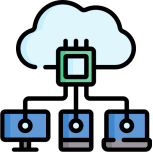
Edge computing supports scalable IoT deployments by distributing processing across multiple edge nodes instead of relying on a central system.
- Distributed Architecture: Load is shared across devices
- Easy Expansion: New devices can be added without overloading systems
- Flexible Deployment: Suitable for both small and large IoT networks
8. Better Data Management
Edge computing improves how data is handled by filtering, aggregating, and processing it before sending to the cloud.
- Data Filtering: Removes unnecessary information
- Data Aggregation: Combines multiple data points
- Efficient Storage: Only useful data is stored
9. Improved Application Performance
Applications running on edge computing perform better due to faster processing and reduced dependency on cloud infrastructure.
- Low Latency Execution: Faster application response
- Optimized Performance: Efficient use of computing resources
- Smooth Operations: Reduced delays improve system stability
10. Support for Advanced Technologies
Edge computing enables modern technologies like AI, machine learning, and automation to work efficiently in IoT environments.
- AI at the Edge: Local data processing for intelligent decisions
- Automation: Enables smart systems to act instantly
- Smart Analytics: Real-time insights without cloud dependency
Comparison: Edge Computing vs Cloud Computing in IoT
Understanding the benefits becomes clearer when comparing edge computing with traditional cloud computing in IoT environments.
| Feature | Edge Computing | Cloud Computing |
|---|---|---|
| Data Processing | Near the device | Centralized data centers |
| Latency | Very low | Higher due to distance |
| Bandwidth Usage | Low | High |
| Reliability | Works offline | Requires internet |
| Security | More secure (local processing) | More exposed to network threats |
| Cost | Lower long-term cost | Higher due to data transfer/storage |
| Scalability | Distributed scaling | Centralized scaling |
Real-World Examples of Edge Computing Benefits in IoT
Edge computing benefits can be better understood through practical examples used in everyday life and industries.
1. Smart Healthcare Systems
Edge computing allows real-time monitoring of patient data using wearable devices, improving emergency response and patient care.
- Instant Alerts: Detects abnormal health conditions quickly
- Local Processing: Sensitive data remains secure
- Better Treatment: Real-time data improves decisions
2. Autonomous Vehicles
Self-driving cars rely on edge computing to process sensor data instantly and make quick driving decisions.
- Real-Time Navigation: Immediate response to road conditions
- Safety Improvement: Faster reaction reduces accidents
- Efficient Processing: Handles large data locally
3. Smart Cities
Edge computing helps manage traffic systems, surveillance, and utilities efficiently in smart city environments.
- Traffic Control: Real-time traffic optimization
- Energy Management: Efficient resource usage
- Public Safety: Faster monitoring and response
4. Industrial IoT (IIoT)
In manufacturing, edge computing enables real-time monitoring and predictive maintenance of machines.
- Machine Monitoring: Detects faults instantly
- Reduced Downtime: Prevents failures
- Operational Efficiency: Improves productivity
Challenges While Using Edge Computing in IoT
Despite its benefits, edge computing also comes with certain challenges that must be considered.
1. Complex Infrastructure
Setting up edge devices and networks can be complex and requires proper planning and management.
- Deployment Difficulty: Requires technical expertise
- Device Management: Handling multiple nodes is challenging
2. Security Risks at Edge Devices
While data is more secure locally, edge devices themselves can be vulnerable to physical attacks.
- Device Vulnerability: Risk of unauthorized access
- Maintenance Needs: Requires regular updates and monitoring
3. Limited Processing Power
Edge devices may have limited computational capacity compared to cloud data centers.
- Resource Constraints: Less storage and processing power
- Performance Limitations: Not suitable for heavy workloads
Conclusion
Edge computing in IoT provides significant benefits such as reduced latency, improved security, cost efficiency, and real-time processing. It enables smarter, faster, and more reliable IoT systems by processing data closer to its source.
As IoT continues to grow, edge computing will play a critical role in supporting advanced applications, improving system performance, and enabling future innovations in smart technologies.