




IoT Data Processing, Edge, and Fog Computing
IoT data processing refers to how data generated by smart devices is collected, analyzed, and transformed into useful insights for decision-making. It plays a critical role in making IoT systems efficient, fast, and intelligent.
- Data Generation: IoT devices continuously produce large volumes of data from sensors and user interactions
- Data Collection: Data is gathered through networks and transmitted to processing systems
- Data Processing: Raw data is cleaned, filtered, and analyzed to extract meaningful insights
- Data Storage: Processed data is stored in databases or cloud platforms for future use
- Real-Time Decision Making: Enables immediate actions like alerts, automation, and monitoring
Types of IoT Data Processing Architectures
Different architectures are used in IoT depending on speed, scalability, and processing requirements. The list of major IoT data processing architectures is given below.
1. Centralized Cloud Processing
Cloud-based processing handles IoT data in remote data centers, offering high scalability and storage capabilities.
- High Storage Capacity: Can store massive amounts of IoT data
- Powerful Processing: Uses advanced computing resources for complex analytics
- Remote Accessibility: Data can be accessed from anywhere via the internet
- Higher Latency: Data must travel long distances, causing delays
- Best For: Non-real-time applications like data analysis and reporting
2. Distributed Edge Processing
Edge processing moves data handling closer to the devices, reducing latency and improving efficiency.
- Low Latency: Processes data near the source for faster response
- Reduced Bandwidth Usage: Only relevant data is sent to the cloud
- Improved Performance: Enables real-time decision-making
- Limited Resources: Edge devices have less processing power
- Best For: Real-time applications like autonomous vehicles and smart homes
3. Hybrid Fog Computing
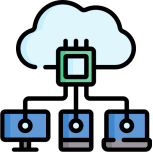
Fog computing combines cloud and edge computing to create a balanced system for IoT data processing.
- Intermediate Layer: Processes data between edge devices and cloud
- Improved Efficiency: Reduces load on both edge and cloud systems
- Scalable Architecture: Supports large IoT networks
- Enhanced Flexibility: Allows dynamic distribution of tasks
- Best For: Complex IoT systems like smart cities and industrial automation
What is Edge Computing in IoT?
Edge computing is a distributed computing model where data is processed close to the IoT devices instead of sending it to centralized servers. The key concepts of edge computing are explained below.
1. Local Data Processing
Edge devices analyze data locally, reducing dependency on cloud servers.
- Faster Processing: Immediate data handling without delay
- Reduced Network Traffic: Minimizes data transfer over the internet
- Better Reliability: Works even with limited connectivity
2. Real-Time Decision Making
Edge computing enables instant responses for time-sensitive applications.
- Immediate Actions: Supports automation like turning off machines in emergencies
- Low Latency: Essential for critical applications such as healthcare monitoring
- High Efficiency: Improves system performance and responsiveness
3. Security and Privacy at Edge
Processing data locally improves data security and privacy.
- Data Protection: Sensitive data stays closer to the source
- Reduced Exposure: Less data transmitted over networks
- Improved Compliance: Helps meet data privacy regulations
What is Fog Computing in IoT?
Fog computing extends cloud capabilities closer to the edge by introducing an intermediate processing layer. The main features of fog computing are given below.
1. Decentralized Data Processing
Fog nodes distribute processing tasks across multiple layers.
- Balanced Workload: Reduces burden on cloud servers
- Efficient Resource Use: Optimizes computing resources
- Improved Scalability: Supports large IoT networks
2. Reduced Latency and Faster Response
Fog computing improves system speed by processing data closer to users.
- Quick Data Analysis: Enables faster insights
- Better Performance: Reduces delays in communication
- Supports Real-Time Applications: Ideal for industrial systems
3. Enhanced Network Efficiency
Fog computing reduces unnecessary data transmission to the cloud.
- Bandwidth Optimization: Filters data before sending to cloud
- Lower Costs: Reduces data transfer expenses
- Smart Data Routing: Sends only useful data for further processing
Edge vs Fog vs Cloud Computing in IoT
Understanding the differences between these computing models helps in selecting the right architecture for IoT systems.
| Feature | Edge Computing | Fog Computing | Cloud Computing |
|---|---|---|---|
| Processing Location | Near devices | Between edge and cloud | Centralized data centers |
| Latency | Very low | Low | High |
| Data Volume Handling | Limited | Moderate | Very high |
| Scalability | Limited | High | Very high |
| Response Time | Real-time | Near real-time | Delayed |
| Use Cases | Smart homes, healthcare | Smart cities, IoT networks | Big data analytics |
Benefits of Edge and Fog Computing in IoT
Edge and fog computing enhance IoT performance by addressing challenges of traditional cloud systems. The key benefits are listed below.
1. Improved Performance and Speed
Faster data processing leads to better system efficiency.
- Real-Time Processing: Immediate response to data
- Reduced Latency: Faster communication between devices
- Efficient Operations: Enhances overall system performance
2. Cost Efficiency
Optimized data processing reduces operational costs.
- Lower Bandwidth Usage: Reduces data transmission costs
- Efficient Resource Allocation: Uses computing power wisely
- Reduced Cloud Dependency: Minimizes cloud service expenses
3. Enhanced Scalability
Supports the growing number of IoT devices.
- Flexible Architecture: Easily expands with more devices
- Distributed Processing: Handles large-scale networks
- Future Ready: Suitable for advanced IoT applications
4. Better Security and Privacy
Local data processing improves data protection.
- Data Minimization: Less data exposed to external networks
- Secure Processing: Sensitive data handled locally
- Reduced Risk: Lower chances of cyber attacks
Challenges in IoT Data Processing
Despite its advantages, IoT data processing faces several challenges. The list of major challenges is given below.
1. Data Management Complexity
Handling massive IoT data is difficult.
- Large Data Volumes: Requires efficient storage solutions
- Data Integration: Combining data from different sources
- Data Quality Issues: Ensuring accuracy and consistency
2. Limited Edge Device Resources
Edge devices have constrained capabilities.
- Low Processing Power: Cannot handle complex tasks
- Limited Storage: Restricted data storage capacity
- Energy Constraints: Battery-powered devices need optimization
3. Security Risks
IoT systems are vulnerable to cyber threats.
- Data Breaches: Unauthorized access to sensitive data
- Device Vulnerabilities: Weak security in edge devices
- Network Attacks: Risks during data transmission
4. Interoperability Issues
Different devices and protocols create compatibility challenges.
- Lack of Standards: No universal communication protocols
- Integration Problems: Difficulty in connecting diverse systems
- Vendor Lock-In: Dependence on specific platforms
Real-World Applications of IoT Data Processing
IoT data processing is widely used across industries to improve efficiency and automation.
1. Smart Healthcare Systems
IoT enables real-time monitoring of patients.
- Wearable Devices: Track health metrics continuously
- Emergency Alerts: Immediate notifications for critical conditions
- Remote Diagnosis: Doctors analyze patient data remotely
2. Smart Cities
IoT improves urban infrastructure and services.
- Traffic Management: Real-time traffic monitoring
- Energy Efficiency: Smart lighting and power systems
- Waste Management: Optimized garbage collection
3. Industrial IoT (IIoT)
Industries use IoT for automation and efficiency.
- Predictive Maintenance: Detect equipment failures early
- Process Optimization: Improve production efficiency
- Real-Time Monitoring: Track industrial operations
4. Smart Agriculture
IoT enhances farming productivity.
- Soil Monitoring: Tracks moisture and nutrients
- Automated Irrigation: Efficient water usage
- Crop Management: Improves yield and quality
Conclusion
IoT data processing, along with edge and fog computing, plays a vital role in building fast, efficient, and scalable IoT systems. By distributing processing across multiple layers, these technologies reduce latency, improve performance, and enable real-time decision-making, making them essential for modern IoT applications.
Chapter 06: IoT Data Processing, Edge, and Fog Computing – Subtopics
- IoT Data Processing Explained
- Types of Data in IoT Systems (Structured, Unstructured, Real-Time)
- IoT Data Collection and Data Flow
- Data Processing in IoT (Batch vs Real-Time Processing)
- Introduction to Edge Computing in IoT
- How Edge Computing Works in IoT
- Benefits of Edge Computing in IoT
- Introduction to Fog Computing in IoT
- Edge Computing vs Fog Computing in IoT
- Cloud Computing vs Edge vs Fog in IoT
- Role of Data Analytics in IoT
- Real-Time Data Processing in IoT Applications
- Data Filtering and Data Aggregation in IoT
- Latency Reduction Using Edge Computing
- Bandwidth Optimization in IoT Systems
- Distributed Computing in IoT
- Data Storage Strategies in IoT
- Security in IoT Data Processing
- Challenges in IoT Data Processing
- Use Cases of Edge and Fog Computing in IoT