





Cloud-Based IoT Architecture Overview
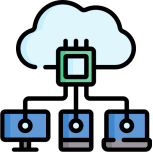
Cloud-Based IoT Architecture is a modern framework that connects smart devices with cloud platforms to enable real-time data processing, storage, and intelligent decision-making. It helps students understand how IoT systems work efficiently at scale using cloud technologies.
What is Cloud-Based IoT Architecture?
Cloud-Based IoT Architecture refers to a structured design where IoT devices collect data and send it to cloud servers for processing, storage, and analysis. It ensures scalability, flexibility, and remote accessibility in IoT systems.
The list of core concepts like architecture definition, working, and importance is given below:
1. Definition of Cloud-Based IoT Architecture
Cloud-Based IoT Architecture is a system where IoT devices are connected to cloud platforms for managing data and services efficiently. It combines hardware, software, networking, and cloud computing.
- Device Integration: IoT sensors and devices collect real-world data
- Cloud Connectivity: Data is transferred to cloud servers via the internet
- Centralized Management: Cloud platforms manage data, applications, and services
- Remote Access: Users can monitor and control systems from anywhere
2. Importance of Cloud-Based IoT Architecture
This architecture is essential for building scalable and intelligent IoT systems that can handle large amounts of data.
- Scalability: Easily supports millions of connected devices
- Cost Efficiency: Reduces hardware and maintenance costs
- Real-Time Insights: Enables instant data processing and analysis
- Global Accessibility: Provides access from any location
Layers of Cloud-Based IoT Architecture
Cloud-Based IoT Architecture is divided into multiple layers, each responsible for specific tasks in the system. These layers work together to ensure smooth data flow and processing.
The list of layers such as perception, network, processing, and application is given below:
1. Perception Layer (Device Layer)
The perception layer is responsible for collecting data from the physical environment using sensors and devices.
- Sensors: Measure temperature, humidity, motion, etc.
- Actuators: Perform actions based on received commands
- Data Generation: Raw data is generated continuously
- Examples: Smart thermostats, wearable devices
2. Network Layer (Connectivity Layer)
The network layer transfers data from IoT devices to cloud platforms through communication technologies.
- Communication Protocols: Wi-Fi, Bluetooth, Zigbee, LTE
- Data Transmission: Sends data securely to cloud servers
- Gateway Devices: Act as intermediaries between devices and cloud
- Reliability: Ensures stable and secure communication
3. Processing Layer (Cloud Layer)
The processing layer is the core of cloud-based IoT architecture where data is processed, analyzed, and stored.
- Cloud Computing: Provides computing power and storage
- Data Analytics: Extracts meaningful insights from raw data
- Data Storage: Stores structured and unstructured data
- Automation: Enables intelligent decision-making
4. Application Layer
The application layer provides user interfaces and services to interact with IoT systems.
- User Dashboards: Visualize data in charts and graphs
- Mobile Applications: Control devices remotely
- Business Applications: Support industries like healthcare and smart cities
- User Experience: Improves interaction and usability
Key Components of Cloud-Based IoT Architecture
Cloud-Based IoT Architecture consists of several components that work together to deliver IoT services effectively. These components ensure smooth communication, processing, and control.
The list of key components like devices, gateways, cloud, and applications is given below:
1. IoT Devices and Sensors
IoT devices are the primary source of data in the system.
- Data Collection: Gather environmental and operational data
- Smart Devices: Include cameras, sensors, and smart appliances
- Continuous Monitoring: Provide real-time updates
- Low Power Consumption: Designed for efficiency
2. IoT Gateway
The IoT gateway acts as a bridge between devices and the cloud.
- Data Filtering: Removes unnecessary data before sending
- Protocol Conversion: Converts data into compatible formats
- Security Layer: Adds encryption and authentication
- Edge Processing: Performs basic data processing
3. Cloud Platform
The cloud platform provides infrastructure and services for IoT operations.
- Storage Services: Store large volumes of IoT data
- Processing Power: Handle complex computations
- Scalability: Expand resources based on demand
- Examples: AWS IoT, Azure IoT Hub, Google Cloud IoT
4. Data Analytics Tools
Data analytics tools process and analyze IoT data to generate insights.
- Real-Time Analytics: Analyze streaming data instantly
- Predictive Analytics: Forecast future trends
- Machine Learning: Enable intelligent automation
- Visualization: Present data in understandable formats
5. User Interface and Applications
User interfaces allow users to interact with IoT systems.
- Web Applications: Provide centralized control panels
- Mobile Apps: Enable remote access and monitoring
- Alerts and Notifications: Inform users about system status
- Customization: Allow personalized settings
Working of Cloud-Based IoT Architecture
Cloud-Based IoT Architecture works by collecting, transmitting, processing, and delivering data in a structured workflow. This process ensures efficient communication between devices and cloud systems.
The list of working steps such as data collection, transmission, processing, and response is given below:
1. Data Collection from Devices
IoT sensors collect data from the environment continuously.
- Real-Time Data: Temperature, location, motion data
- Automated Collection: No manual intervention required
- High Volume: Large amounts of data generated
- Accuracy: Ensures reliable information
2. Data Transmission to Cloud
Collected data is transmitted to the cloud using network protocols.
- Secure Communication: Uses encryption techniques
- Internet Connectivity: Transfers data globally
- Low Latency: Ensures fast data transfer
- Gateway Support: Improves efficiency
3. Data Processing and Storage
Cloud platforms process and store the received data.
- Big Data Processing: Handles large-scale data
- Database Management: Organizes structured data
- Cloud Storage: Ensures data availability
- Automation: Enables quick decision-making
4. Data Analysis and Insights
Analyzed data is converted into meaningful insights.
- Trend Analysis: Identifies patterns
- Predictive Models: Forecast outcomes
- Decision Support: Helps businesses make decisions
- Visualization Tools: Display insights clearly
5. User Interaction and Response
Users interact with IoT systems and receive responses.
- Dashboards: Monitor system performance
- Control Commands: Send instructions to devices
- Alerts: Receive notifications for events
- Automation: Execute actions automatically
Advantages of Cloud-Based IoT Architecture
Cloud-Based IoT Architecture offers multiple benefits that make it suitable for modern applications. It improves system efficiency and scalability.
The list of advantages such as scalability, flexibility, and cost savings is given below:
1. Scalability and Flexibility
Cloud platforms allow IoT systems to scale easily based on demand.
- Dynamic Scaling: Add or remove resources instantly
- Flexible Infrastructure: Supports various applications
- Efficient Resource Usage: Avoids wastage
- Global Deployment: Expand across regions
2. Cost Efficiency
Cloud-based systems reduce the need for physical infrastructure.
- Pay-As-You-Go: Pay only for used resources
- Reduced Maintenance: No hardware management
- Lower Setup Cost: Minimal initial investment
- Energy Efficiency: Saves operational costs
3. Real-Time Data Processing
Cloud enables fast data processing for immediate insights.
- Instant Analysis: Real-time decision-making
- Low Latency: Faster response times
- Continuous Monitoring: Track systems 24/7
- Automation: Reduces manual work
4. High Availability and Reliability
Cloud systems ensure continuous operation with minimal downtime.
- Redundancy: Backup systems prevent failure
- Fault Tolerance: Handles system errors
- Global Data Centers: Improve performance
- Service Continuity: Ensures reliability
Challenges in Cloud-Based IoT Architecture
Despite its advantages, Cloud-Based IoT Architecture also faces several challenges that must be addressed for efficient operation.
The list of challenges such as security, latency, and data management is given below:
1. Security and Privacy Issues
IoT systems are vulnerable to cyber threats and data breaches.
- Data Encryption: Required for secure communication
- Authentication: Ensures authorized access
- Cyber Attacks: Risk of hacking and malware
- Privacy Concerns: Sensitive data exposure
2. Latency Problems
Cloud-based systems may experience delays in data processing.
- Network Delays: Slow data transmission
- Real-Time Limitations: Not suitable for critical applications
- Bandwidth Issues: Affects performance
- Solution Need: Use of edge computing
3. Data Management Complexity
Handling large volumes of IoT data can be challenging.
- Big Data Storage: Requires efficient databases
- Data Filtering: Removes unnecessary data
- Data Integration: Combines multiple sources
- Processing Load: High computational requirements
4. Dependence on Internet Connectivity
IoT systems rely heavily on internet availability.
- Connectivity Issues: System failure without internet
- Remote Area Limitations: Poor network coverage
- Downtime Risks: Affects operations
- Reliability Concerns: Requires stable networks
Cloud-Based IoT Architecture vs Traditional IoT Architecture
Understanding the difference between cloud-based and traditional IoT architecture helps in selecting the right approach for applications.
| Feature | Cloud-Based IoT Architecture | Traditional IoT Architecture |
|---|---|---|
| Data Processing | Cloud-based centralized processing | Local or limited processing |
| Scalability | Highly scalable | Limited scalability |
| Cost | Pay-as-you-go | High infrastructure cost |
| Accessibility | Global access | Restricted access |
| Maintenance | Managed by cloud provider | Requires manual maintenance |
Conclusion
Cloud-Based IoT Architecture plays a critical role in modern IoT systems by providing scalable, efficient, and intelligent solutions for data management and processing. It enables seamless communication between devices and cloud platforms, making it ideal for real-world applications like smart homes, healthcare, and industrial automation.