





Data Analytics in Cloud for IoT
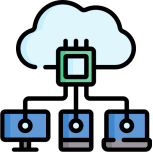
Data analytics in cloud for IoT refers to the process of collecting, storing, processing, and analyzing IoT data using cloud computing platforms. It helps transform raw sensor data into meaningful insights for better decision-making.
This section introduces the core concept, importance, and role of cloud-based analytics in IoT systems, list of introduction topics is given below.
- Definition of IoT Data Analytics: Understanding how data is analyzed in IoT
- Role of Cloud Computing: How cloud enables large-scale analytics
- Importance in Modern Systems: Why analytics is essential in IoT
1. Definition of IoT Data Analytics
IoT data analytics is the process of examining data generated by IoT devices such as sensors and smart systems to extract useful insights. It helps organizations understand patterns, trends, and behaviors from large volumes of data.
- Data Collection: Gathering data from sensors and devices
- Data Processing: Cleaning and organizing raw data
- Insight Generation: Converting data into actionable knowledge
2. Role of Cloud Computing in IoT Analytics
Cloud computing provides the infrastructure needed to store and analyze massive IoT data efficiently. It offers scalable resources, powerful processing, and global accessibility.
- Scalable Storage: Handles large IoT datasets easily
- High Processing Power: Enables fast data analysis
- Remote Access: Allows data access from anywhere
3. Importance of Data Analytics in IoT
Data analytics plays a key role in improving system efficiency, automation, and decision-making in IoT applications. It turns raw data into valuable business intelligence.
- Better Decision Making: Data-driven insights
- Predictive Capabilities: Forecast future trends
- Operational Efficiency: Improve system performance
Types of Data Analytics in Cloud for IoT
Different types of analytics are used in IoT to understand data at various levels, from basic insights to advanced predictions. The list of types of data analytics is given below.
- Descriptive Analytics: What happened
- Diagnostic Analytics: Why it happened
- Predictive Analytics: What will happen
- Prescriptive Analytics: What should be done
1. Descriptive Analytics
Descriptive analytics focuses on summarizing historical IoT data to understand past events. It provides a clear view of system performance over time.
- Data Summarization: Reports and dashboards
- Historical Analysis: Past performance tracking
- Visualization Tools: Graphs and charts
2. Diagnostic Analytics
Diagnostic analytics helps identify the reasons behind specific outcomes in IoT systems. It analyzes data to find patterns and root causes.
- Root Cause Analysis: Identify issues
- Pattern Detection: Recognize anomalies
- Data Correlation: Understand relationships
3. Predictive Analytics
Predictive analytics uses machine learning and statistical models to forecast future events based on historical IoT data.
- Trend Forecasting: Predict future behavior
- Risk Detection: Identify potential failures
- Machine Learning Models: Improve accuracy
4. Prescriptive Analytics
Prescriptive analytics suggests actions based on data insights to optimize system performance and decision-making.
- Action Recommendations: Suggest solutions
- Optimization Techniques: Improve efficiency
- Automated Decisions: Smart system responses
Cloud-Based IoT Data Analytics Architecture
Cloud-based IoT analytics follows a structured architecture that ensures smooth data flow from devices to insights. The list of architecture components is given below.
- Data Sources (IoT Devices)
- Data Ingestion Layer
- Data Storage Layer
- Data Processing Layer
- Analytics and Visualization Layer
1. Data Sources (IoT Devices)
IoT devices such as sensors, cameras, and smart appliances generate continuous streams of data. These devices act as the starting point of analytics.
- Sensors: Temperature, humidity, motion
- Devices: Smart home systems, industrial machines
- Data Generation: Continuous and real-time
2. Data Ingestion Layer
This layer collects data from IoT devices and transfers it to the cloud using communication protocols like MQTT and HTTP.
- Data Collection: Real-time streaming
- Protocols: MQTT, HTTP, CoAP
- Gateway Devices: Connect devices to cloud
3. Data Storage Layer
The storage layer stores large volumes of IoT data in cloud databases and data lakes for further processing.
- Cloud Databases: Structured data storage
- Data Lakes: Store raw unstructured data
- Scalability: Expand storage as needed
4. Data Processing Layer
This layer processes IoT data using real-time or batch processing techniques to prepare it for analysis.
- Stream Processing: Real-time data analysis
- Batch Processing: Large dataset processing
- Data Cleaning: Remove errors and noise
5. Analytics and Visualization Layer
This layer analyzes processed data and presents insights through dashboards and reports for users.
- Data Analysis Tools: AI and ML models
- Visualization: Charts and dashboards
- Decision Support: Business insights
Benefits of Data Analytics in Cloud for IoT
Cloud-based analytics provides multiple benefits that improve IoT system performance and usability. The list of benefits is given below.
- Scalability
- Cost Efficiency
- Real-Time Insights
- Improved Decision Making
- Enhanced Automation
1. Scalability
Cloud platforms can easily scale resources up or down based on IoT data requirements, ensuring efficient performance.
- Flexible Resources: Adjust based on demand
- Handling Large Data: Supports big data
- Dynamic Scaling: Automatic resource allocation
2. Cost Efficiency
Cloud analytics reduces the need for expensive hardware and infrastructure, making IoT solutions more affordable.
- Pay-As-You-Go: Pay only for usage
- No Maintenance Cost: Provider handles infrastructure
- Reduced Hardware Investment: No physical servers
3. Real-Time Insights
Cloud analytics enables real-time processing of IoT data, allowing immediate actions and responses.
- Instant Data Processing: Quick insights
- Live Monitoring: Track systems in real time
- Faster Decision Making: Immediate response
4. Improved Decision Making
Analytics helps organizations make informed decisions based on accurate and real-time data insights.
- Data-Driven Strategies: Better planning
- Accurate Predictions: Reduce uncertainty
- Performance Optimization: Improve outcomes
5. Enhanced Automation
Cloud analytics supports automation by enabling systems to respond automatically to data changes.
- Smart Systems: Self-operating devices
- Event-Based Actions: Triggered responses
- Reduced Human Effort: Automated workflows
Challenges in Cloud-Based IoT Data Analytics
Despite its advantages, cloud-based IoT analytics also faces several challenges. The list of challenges is given below.
- Data Security and Privacy
- Latency Issues
- Data Management Complexity
- High Data Volume
- Integration Issues
1. Data Security and Privacy
Protecting IoT data from unauthorized access is a major concern in cloud environments.
- Data Encryption: Secure data transmission
- Access Control: Restrict unauthorized users
- Privacy Risks: Sensitive data protection
2. Latency Issues
Sending data to the cloud for processing can cause delays, especially in time-sensitive applications.
- Network Delays: Data transmission time
- Real-Time Limitations: Slower responses
- Edge Computing Need: Reduce latency
3. Data Management Complexity
Managing large volumes of IoT data can be complex and requires efficient data handling strategies.
- Data Organization: Structured storage
- Data Cleaning: Remove errors
- Data Integration: Combine multiple sources
4. High Data Volume
IoT devices generate massive amounts of data, making storage and processing challenging.
- Big Data Handling: Large datasets
- Storage Requirements: High capacity
- Processing Load: Increased computation
5. Integration Issues
Integrating different IoT devices and cloud platforms can be difficult due to compatibility issues.
- Device Diversity: Multiple device types
- Protocol Differences: Communication issues
- System Compatibility: Integration challenges
Real-World Applications of Cloud-Based IoT Data Analytics
Cloud-based IoT analytics is widely used across various industries to improve efficiency and decision-making. The list of applications is given below.
- Smart Cities
- Healthcare Systems
- Industrial IoT (IIoT)
- Agriculture
- Smart Homes
1. Smart Cities
IoT analytics helps manage traffic, energy, and public services efficiently in smart cities.
- Traffic Monitoring: Reduce congestion
- Energy Management: Optimize usage
- Public Safety: Improve security
2. Healthcare Systems
Cloud analytics enables remote patient monitoring and advanced medical data analysis.
- Patient Monitoring: Real-time health tracking
- Disease Prediction: Early diagnosis
- Healthcare Efficiency: Better treatment
3. Industrial IoT (IIoT)
Industries use IoT analytics to monitor machines and improve production processes.
- Predictive Maintenance: Prevent failures
- Production Optimization: Increase efficiency
- Quality Control: Improve product quality
4. Agriculture
IoT analytics helps farmers monitor crops, soil, and weather conditions for better yield.
- Smart Irrigation: Efficient water usage
- Crop Monitoring: Track growth
- Weather Analysis: Improve planning
5. Smart Homes
Smart home systems use IoT analytics to automate and optimize home operations.
- Energy Management: Reduce consumption
- Security Systems: Monitor homes
- Automation: Control devices remotely
Conclusion
Data analytics in cloud for IoT plays a critical role in transforming raw sensor data into valuable insights. By combining IoT devices with cloud computing and advanced analytics techniques, organizations can achieve better efficiency, automation, and decision-making in modern systems.