






Edge Computing in IoT Architecture
Edge Computing in IoT Architecture is a modern approach where data is processed closer to devices instead of relying entirely on centralized cloud systems. It improves speed, reduces latency, and enhances real-time decision-making.
This section explains the core concept, working model, and importance of edge computing in IoT systems, list of key topics is given below.
1. What is Edge Computing in IoT
Edge computing refers to processing IoT data near the source (devices, sensors, or gateways) instead of sending all data to distant cloud servers.
- Local Processing: Data is analyzed at or near IoT devices
- Reduced Latency: Faster responses because data does not travel far
- Efficient Communication: Only important data is sent to the cloud
- Real-Time Decision Making: Immediate actions based on data
2. Why Edge Computing is Important in IoT
Edge computing plays a critical role in handling the massive data generated by IoT devices efficiently.
- Faster Response Time: Ideal for real-time applications like smart cars
- Bandwidth Optimization: Reduces unnecessary data transfer
- Improved Reliability: Works even with limited internet connectivity
- Enhanced Security: Sensitive data can stay local
Architecture of Edge Computing in IoT
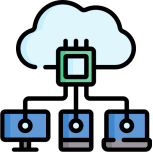
Edge computing introduces an additional layer between IoT devices and cloud systems to improve performance and efficiency.
This section explains different layers and components involved in edge computing architecture, list of components is given below.
1. Device Layer (Perception Layer)
This layer includes IoT devices such as sensors and actuators that collect data from the environment.
- Sensors: Capture temperature, motion, humidity, etc.
- Actuators: Perform actions like turning devices on/off
- Data Generation: Raw data is continuously produced
2. Edge Layer (Processing Layer)
This is the core layer where edge computing happens by processing data locally.
- Edge Devices: Gateways, routers, or embedded systems
- Data Filtering: Removes unnecessary or duplicate data
- Local Analytics: Performs quick data analysis
- Decision Making: Immediate actions based on processed data
3. Cloud Layer (Centralized Layer)
The cloud layer stores, processes, and analyzes large volumes of data for long-term insights.
- Data Storage: Saves processed and historical data
- Advanced Analytics: Uses AI and machine learning
- Global Access: Data is accessible from anywhere
- System Management: Monitors IoT devices and networks
How Edge Computing Works in IoT Systems
Edge computing works by distributing computing tasks across different layers to improve system performance.
This section explains step-by-step working of edge computing in IoT architecture, list of steps is given below.
1. Data Collection
IoT devices collect data from the physical environment using sensors.
- Continuous Monitoring: Devices capture real-time data
- Raw Data Generation: Unprocessed data is produced
2. Data Processing at Edge
Instead of sending all data to the cloud, edge devices process it locally.
- Filtering Data: Removes irrelevant information
- Analyzing Data: Performs quick computations
- Reducing Data Volume: Only useful data is forwarded
3. Decision Making
Edge devices make instant decisions based on processed data.
- Real-Time Actions: Immediate responses like alerts or automation
- Local Intelligence: Smart decision-making without cloud dependency
4. Cloud Communication
Important data is sent to the cloud for further processing and storage.
- Data Aggregation: Combines data from multiple devices
- Long-Term Analysis: Identifies trends and patterns
Key Features of Edge Computing in IoT
Edge computing provides unique features that make IoT systems faster and more efficient.
This section explains important features of edge computing in IoT architecture, list of features is given below.
1. Low Latency
Edge computing reduces delay by processing data near the source.
- Instant Response: Critical for real-time systems
- Improved Performance: Faster system execution
2. Reduced Bandwidth Usage
Only relevant data is sent to the cloud, saving network resources.
- Efficient Data Transfer: Minimizes network traffic
- Cost Reduction: Saves internet and cloud costs
3. Enhanced Security and Privacy
Sensitive data can be processed locally instead of sending it to cloud servers.
- Data Protection: Limits exposure of critical data
- Secure Processing: Reduces risk of cyber attacks
4. Scalability
Edge computing supports growing IoT networks efficiently.
- Flexible Deployment: Easily add more edge devices
- Distributed System: Handles large-scale IoT environments
Advantages of Edge Computing in IoT
Edge computing offers multiple benefits that improve the overall efficiency of IoT systems.
This section explains major advantages of edge computing in IoT, list of benefits is given below.
1. Faster Data Processing
Processing data locally ensures quick response times.
- Real-Time Applications: Useful in healthcare and automation
- Reduced Delays: Improves system performance
2. Improved Reliability
Edge systems can function even when cloud connectivity is limited.
- Offline Capability: Local processing without internet
- Continuous Operation: No service interruption
3. Better Resource Utilization
Efficient use of network and computing resources.
- Optimized Workload: Distributes tasks effectively
- Reduced Server Load: Less burden on cloud infrastructure
4. Real-Time Decision Making
Edge computing enables immediate actions based on data.
- Smart Automation: Devices respond instantly
- Improved User Experience: Faster and smoother operations
Challenges of Edge Computing in IoT
Despite its benefits, edge computing also introduces some challenges that must be managed carefully.
This section explains key challenges of edge computing in IoT architecture, list of challenges is given below.
1. Complex System Design
Edge computing systems are more complex than traditional cloud-based systems.
- Multiple Layers: Requires coordination between devices, edge, and cloud
- Integration Issues: Difficult to manage different components
2. Security Risks at Edge
Edge devices can be vulnerable to attacks if not properly secured.
- Physical Access Risks: Devices may be exposed
- Data Breaches: Risk of unauthorized access
3. Limited Processing Power
Edge devices may have limited computational capabilities compared to cloud servers.
- Hardware Constraints: Less powerful than centralized systems
- Limited Storage: Cannot store large datasets
4. Maintenance and Management
Managing multiple distributed edge devices can be challenging.
- Device Monitoring: Requires constant supervision
- Software Updates: Difficult to update all devices
Edge Computing vs Cloud Computing in IoT
Edge computing and cloud computing work together but have different roles in IoT architecture.
This section provides a comparison to understand their differences clearly, list of comparison points is given below.
| Feature | Edge Computing | Cloud Computing |
|---|---|---|
| Processing Location | Near devices | Centralized data centers |
| Latency | Low | Higher |
| Data Handling | Processes local data | Handles large-scale data |
| Bandwidth Usage | Low | High |
| Real-Time Capability | Excellent | Limited |
| Scalability | Distributed scaling | Centralized scaling |
| Dependency on Internet | Low | High |
Real-World Examples of Edge Computing in IoT
Edge computing is widely used in real-world IoT applications where speed and efficiency are critical.
This section explains practical examples of edge computing in IoT systems, list of examples is given below.
1. Smart Cities
Edge computing helps manage traffic, lighting, and public safety systems efficiently.
- Traffic Control: Real-time traffic signal management
- Surveillance Systems: Instant video analysis
2. Healthcare Systems
Edge computing enables real-time monitoring of patient health data.
- Wearable Devices: Continuous health tracking
- Emergency Alerts: Immediate response to critical conditions
3. Industrial IoT (IIoT)
Edge computing improves efficiency in manufacturing and automation systems.
- Predictive Maintenance: Detects faults early
- Automation Systems: Real-time machine control
4. Autonomous Vehicles
Edge computing is essential for self-driving cars that require instant decision-making.
- Real-Time Processing: Immediate response to surroundings
- Safety Systems: Avoid accidents through quick actions
Future of Edge Computing in IoT
Edge computing is becoming a key technology for next-generation IoT systems with increasing data demands.
This section explains future trends and developments in edge computing, list of future aspects is given below.
1. Integration with AI and Machine Learning
Edge devices will become smarter with built-in AI capabilities.
- Edge AI: Local intelligent processing
- Faster Insights: Immediate data analysis
2. Growth of 5G Technology
5G networks will enhance edge computing capabilities.
- High-Speed Connectivity: Faster data transfer
- Low Latency Networks: Improved performance
3. Expansion of Smart Devices
The number of IoT devices will continue to grow rapidly.
- Connected Ecosystems: More smart homes and cities
- Increased Data Generation: Higher need for edge computing
4. Improved Security Mechanisms
Future systems will focus more on securing edge environments.
- Advanced Encryption: Better data protection
- Secure Access Control: Enhanced system security
Conclusion
Edge Computing in IoT Architecture plays a crucial role in improving system performance, reducing latency, and enabling real-time decision-making. By processing data closer to the source, it enhances efficiency, security, and scalability in modern IoT systems. As technologies like AI and 5G continue to evolve, edge computing will become even more essential in building intelligent and responsive IoT ecosystems.