



IoT Data Collection and Data Flow
IoT data collection and data flow are the backbone of modern smart systems, enabling devices to gather, transmit, and process data efficiently. Understanding how data moves in IoT helps students grasp real-time applications, system design, and performance optimization.
What is IoT Data Collection?
IoT data collection refers to the process of gathering data from sensors, devices, and connected systems in real time or at intervals. It ensures accurate monitoring, automation, and intelligent decision-making in IoT environments.
The list of key aspects of IoT data collection is given below:
1. Sensors and Data Sources in IoT
Sensors are the primary components responsible for collecting environmental and system data in IoT networks.
- Temperature Sensors: Measure heat levels in environments like smart homes or industries
- Humidity Sensors: Detect moisture levels in agriculture or weather systems
- Motion Sensors: Track movement for security and automation systems
- Pressure Sensors: Monitor industrial equipment and pipelines
- GPS Sensors: Provide location tracking in logistics and transportation
2. Types of Data Collected in IoT
IoT systems collect different types of data depending on application requirements and system design.
- Environmental Data: Temperature, humidity, air quality
- Operational Data: Machine performance, energy usage
- User Data: Preferences, behavior patterns
- Location Data: GPS coordinates and movement tracking
- Health Data: Heart rate, body temperature in wearable devices
3. Methods of Data Collection
Different techniques are used to collect data efficiently based on system requirements.
- Real-Time Collection: Continuous data streaming from sensors
- Batch Collection: Data collected and sent at specific intervals
- Event-Based Collection: Data triggered by specific events (e.g., motion detection)
- Manual Input: User-provided data in some applications
4. Data Accuracy and Quality
Ensuring data accuracy is critical for reliable IoT operations and decision-making.
- Calibration: Sensors must be calibrated regularly
- Noise Reduction: Filtering unwanted signals
- Data Validation: Checking correctness before processing
- Error Handling: Managing faulty or missing data
What is IoT Data Flow?
IoT data flow describes how collected data moves from devices to processing systems and back to users or applications. It ensures seamless communication between IoT components.
The list of IoT data flow stages is given below:
1. Data Generation
Data is generated at the device level through sensors and connected components.
- Source Devices: Sensors, actuators, smart devices
- Continuous Data Streams: Real-time data generation
- Event-Based Data: Triggered by actions or conditions
2. Data Transmission
Collected data is transmitted to other systems using communication networks.
- Wireless Networks: Wi-Fi, Bluetooth, cellular networks
- Wired Networks: Ethernet connections
- Protocols Used: MQTT, HTTP, CoAP
- Gateways: Intermediate devices for data routing
3. Data Processing
After transmission, data is processed to extract useful insights and perform actions.
- Edge Processing: Data processed near the source device
- Fog Processing: Intermediate processing layer between edge and cloud
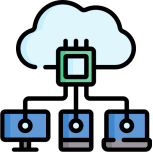
- Cloud Processing: Centralized processing for large-scale analysis
- Real-Time Analytics: Instant decision-making
4. Data Storage
Processed or raw data is stored for future use, analysis, and reporting.
- Cloud Storage: Scalable and flexible storage solutions
- Local Storage: On-device or gateway storage
- Databases: Structured and unstructured data storage systems
- Data Lakes: Large repositories for big data
5. Data Visualization and Action
Final data is presented to users or used to trigger automated actions.
- Dashboards: Visual representation of data
- Alerts and Notifications: Real-time warnings
- Automation Systems: Trigger actions like turning devices on/off
- Decision Support: Helps users make informed decisions
IoT Data Flow Architecture
IoT data flow follows a layered architecture that ensures efficient communication and processing.
The list of IoT data flow architecture layers is given below:
1. Device Layer
This layer includes all IoT devices and sensors responsible for data generation.
- Smart Devices: IoT-enabled hardware
- Sensors: Data collection units
- Actuators: Perform actions based on commands
2. Network Layer
This layer handles communication and data transmission between devices and systems.
- Communication Protocols: MQTT, HTTP, CoAP
- Gateways: Bridge between devices and cloud
- Connectivity: Wired and wireless networks
3. Processing Layer
This layer processes data to extract meaningful insights.
- Edge Computing: Fast processing near devices
- Fog Computing: Intermediate processing
- Cloud Computing: Large-scale data analysis
4. Application Layer
This layer delivers processed data to end users and applications.
- User Interfaces: Mobile apps, web dashboards
- Analytics Tools: Data analysis platforms
- Automation Systems: Smart decision-making tools
IoT Data Flow Example (Real-World Scenario)
Understanding IoT data flow becomes easier with real-world examples such as smart homes and industrial systems.
1. Smart Home Temperature Monitoring
This example shows how IoT devices collect and process environmental data in real time.
- Step 1: Temperature sensor collects room temperature
- Step 2: Data is sent via Wi-Fi to a gateway
- Step 3: Gateway forwards data to cloud server
- Step 4: Cloud processes and stores data
- Step 5: User views temperature on mobile app
- Step 6: System automatically adjusts AC if needed
2. Industrial IoT (IIoT) System
Industrial systems use IoT data flow for monitoring machines and improving efficiency.
- Step 1: Sensors monitor machine performance
- Step 2: Data is transmitted to edge devices
- Step 3: Edge processes critical data instantly
- Step 4: Remaining data sent to cloud for analysis
- Step 5: Alerts generated for maintenance issues
Challenges in IoT Data Collection and Data Flow
IoT systems face several challenges that can affect performance, reliability, and security.
The list of key challenges is given below:
1. Data Overload
Large volumes of data can overwhelm systems and increase processing time.
- High Data Volume: Millions of devices generating data
- Storage Issues: Need for scalable storage solutions
- Processing Delays: Slower analytics due to heavy load
2. Network Latency
Delay in data transmission can affect real-time decision-making.
- Slow Networks: Poor connectivity
- High Latency: Delayed responses
- Bandwidth Limitations: Restricted data transfer capacity
3. Data Security and Privacy
Protecting IoT data is critical due to sensitive information being transmitted.
- Unauthorized Access: Risk of hacking
- Data Encryption: Required for secure communication
- Privacy Concerns: Protection of user data
4. Interoperability Issues
Different devices and protocols may not work seamlessly together.
- Compatibility Problems: Devices from different vendors
- Protocol Differences: Communication challenges
- Integration Complexity: Difficult system integration
Benefits of Efficient IoT Data Collection and Flow
Proper data collection and smooth data flow improve system performance and user experience.
The list of benefits is given below:
1. Real-Time Decision Making
IoT enables instant responses based on real-time data.
- Quick Actions: Immediate system responses
- Improved Efficiency: Faster operations
- Better User Experience: Reduced delays
2. Cost Optimization
Efficient data handling reduces operational costs.
- Reduced Storage Costs: Optimized data storage
- Energy Efficiency: Lower power consumption
- Maintenance Savings: Predictive maintenance
3. Improved System Performance
Optimized data flow enhances overall system reliability.
- Faster Processing: Reduced latency
- High Availability: Continuous system operation
- Scalability: Easy expansion of IoT systems
IoT Data Collection vs Data Flow (Comparison Table)
| Feature | IoT Data Collection | IoT Data Flow |
|---|---|---|
| Definition | Gathering data from sensors | Movement of data through system |
| Focus | Data acquisition | Data transmission and processing |
| Components | Sensors, devices | Networks, gateways, cloud |
| Purpose | Collect raw data | Deliver and process data |
| Example | Temperature sensing | Sending data to cloud and app |
Conclusion
IoT data collection and data flow work together to enable smart systems, real-time analytics, and automation. By understanding how data is collected, transmitted, processed, and used, students can design efficient IoT systems that are scalable, secure, and high-performing.