






IoT Adoption Across Industries Over Time
The adoption of Internet of Things (IoT) across industries has transformed how businesses operate, monitor, and optimize processes. Over time, IoT has evolved from simple device connectivity to intelligent, data-driven ecosystems shaping modern industries.
Understanding IoT Adoption Across Industries
IoT adoption across industries refers to the integration of connected devices, sensors, and smart systems into business operations to improve efficiency and decision-making. The list of key aspects of IoT adoption across industries is given below.
1. Early Stage of IoT Adoption
The early stage of IoT adoption focused on basic connectivity and machine communication with limited automation.
- Basic Device Connectivity: Industries connected simple devices to share data.
- Machine-to-Machine (M2M): Early communication systems enabled machines to interact without human input.
- Limited Data Usage: Data collection was basic and not deeply analyzed.
- High Cost: Initial setup and infrastructure were expensive for businesses.
2. Growth Stage of IoT Adoption
During this phase, IoT technologies became more accessible, leading to increased adoption across industries.
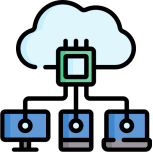
- Cloud Integration: Data storage and processing moved to cloud platforms.
- Improved Connectivity: Faster internet and wireless technologies enhanced communication.
- Data Analytics: Businesses started using data for insights and decision-making.
- Scalability: Systems became more flexible and capable of expansion.
3. Advanced Stage of IoT Adoption
In the advanced stage, IoT systems became smarter with automation and AI integration.
- Smart Automation: Devices automatically perform tasks with minimal human intervention.
- Real-Time Monitoring: Industries monitor operations instantly.
- AI Integration: Artificial Intelligence improves decision-making and predictions.
- Edge Computing: Data processing closer to devices reduces latency.
4. Future Stage of IoT Adoption
The future stage focuses on intelligent ecosystems with full automation and integration.
- Autonomous Systems: Machines operate independently with minimal human control.
- Hyper-Connectivity: Billions of devices connected globally.
- Predictive Systems: Systems forecast problems before they occur.
- Digital Transformation: Complete shift to digital operations across industries.
Key Industries Adopting IoT Over Time
IoT adoption varies across industries depending on needs, challenges, and technological readiness. The list of major industries adopting IoT is given below.
1. Manufacturing Industry
Manufacturing is one of the earliest adopters of IoT, focusing on automation and efficiency.
- Smart Factories: Automated production lines with connected machines.
- Predictive Maintenance: Sensors detect machine faults before failure.
- Supply Chain Optimization: Real-time tracking of materials and goods.
- Quality Control: Sensors ensure consistent product quality.
2. Healthcare Industry
Healthcare uses IoT to improve patient care and medical efficiency.
- Remote Patient Monitoring: Devices track patient health remotely.
- Wearable Devices: Smart watches and sensors monitor vital signs.
- Smart Hospitals: Connected equipment improves operations.
- Emergency Response: Faster response through real-time data.
3. Agriculture Industry
IoT is transforming agriculture into smart farming systems.
- Smart Irrigation: Automated watering systems based on soil data.
- Crop Monitoring: Sensors track crop health and growth.
- Livestock Tracking: Farmers monitor animals using IoT devices.
- Weather Monitoring: Real-time weather data improves planning.
4. Transportation and Logistics
IoT enhances transportation efficiency and logistics management.
- Fleet Management: Real-time tracking of vehicles.
- Route Optimization: Smart systems choose efficient routes.
- Cargo Monitoring: Sensors track temperature and conditions.
- Traffic Management: Smart systems reduce congestion.
5. Retail Industry
Retail uses IoT to improve customer experience and inventory management.
- Smart Shelves: Track product availability automatically.
- Customer Analytics: Analyze shopping behavior.
- Automated Checkout: Faster and cashier-less payments.
- Inventory Management: Real-time stock monitoring.
6. Energy and Utilities
IoT helps manage energy resources efficiently and sustainably.
- Smart Grids: Efficient electricity distribution systems.
- Energy Monitoring: Track and reduce energy consumption.
- Fault Detection: Identify issues in power systems.
- Renewable Integration: Manage solar and wind energy systems.
7. Smart Cities
IoT plays a key role in developing smart cities with improved infrastructure.
- Smart Traffic Systems: Reduce congestion and improve flow.
- Waste Management: Smart bins optimize waste collection.
- Public Safety: Surveillance and monitoring systems.
- Smart Lighting: Energy-efficient street lighting systems.
Key Factors Driving IoT Adoption Over Time
Several factors have contributed to the rapid growth of IoT across industries. The list of key drivers is given below.
1. Advancement in Connectivity
Improved internet technologies like 4G, 5G, and Wi-Fi have enabled seamless communication between devices.
- High-Speed Networks: Faster data transmission.
- Reliable Connectivity: Stable communication across devices.
- Global Reach: Devices can connect from anywhere.
2. Cloud Computing Growth
Cloud platforms provide scalable storage and processing for IoT data.
- Data Storage: Large volumes of data stored efficiently.
- Processing Power: High computing capabilities.
- Cost Efficiency: Pay-as-you-go model reduces cost.
3. Decline in Hardware Costs
The cost of sensors and devices has decreased significantly over time.
- Affordable Sensors: Easier adoption for small businesses.
- Mass Production: Lower manufacturing costs.
- Accessibility: More industries can implement IoT.
4. Data Analytics and AI
Advanced analytics and AI enable better decision-making.
- Predictive Insights: Forecast future trends.
- Automation: Reduce manual effort.
- Improved Efficiency: Optimize operations.
5. Government and Industry Support
Policies and initiatives support IoT adoption worldwide.
- Smart City Projects: Government investments.
- Digital Transformation Programs: Encourage innovation.
- Standards Development: Ensure compatibility and security.
Benefits of IoT Adoption Across Industries
IoT adoption provides multiple advantages that drive its growth. The list of benefits is given below.
1. Improved Operational Efficiency
IoT helps automate processes and reduce manual work.
- Automation: Faster operations.
- Real-Time Data: Immediate decision-making.
- Reduced Errors: Improved accuracy.
2. Cost Reduction
IoT minimizes operational and maintenance costs.
- Predictive Maintenance: Avoid expensive breakdowns.
- Energy Savings: Optimize resource usage.
- Labor Cost Reduction: Less manual intervention.
3. Enhanced Customer Experience
IoT improves services and user satisfaction.
- Personalization: Tailored services.
- Faster Service: Reduced waiting time.
- Better Engagement: Improved interaction.
4. Better Decision Making
Data-driven insights lead to smarter decisions.
- Accurate Data: Reliable information.
- Real-Time Analytics: Quick responses.
- Strategic Planning: Long-term improvements.
Challenges in IoT Adoption Across Industries
Despite its advantages, IoT adoption faces several challenges. The list of challenges is given below.
1. Security and Privacy Issues
IoT systems are vulnerable to cyber threats and data breaches.
- Data Protection: Sensitive information at risk.
- Unauthorized Access: Security vulnerabilities.
- Network Attacks: Threats to connected devices.
2. Integration Complexity
Integrating IoT with existing systems can be difficult.
- Legacy Systems: Compatibility issues.
- Technical Complexity: Requires expertise.
- High Implementation Effort: Time-consuming process.
3. Data Management Challenges
Managing large volumes of data is a major concern.
- Big Data Handling: Huge data generation.
- Storage Issues: Requires scalable solutions.
- Data Processing: Needs advanced analytics tools.
4. High Initial Investment
Initial deployment costs can be high for some industries.
- Infrastructure Cost: Devices and systems setup.
- Maintenance Cost: Ongoing expenses.
- Training Cost: Skilled workforce required.
IoT Adoption Timeline Across Industries
The evolution of IoT adoption can be understood through a timeline showing key phases.
| Time Period | Adoption Stage | Key Characteristics | Industry Impact |
|---|---|---|---|
| 1990s–2005 | Early Stage | M2M communication, basic connectivity | Limited industrial use |
| 2005–2015 | Growth Stage | Internet expansion, cloud computing | Increased adoption in multiple sectors |
| 2015–2025 | Advanced Stage | AI integration, automation, real-time analytics | Smart industries and digital transformation |
| 2025–Future | Future Stage | Autonomous systems, hyper-connectivity | Fully digital and intelligent ecosystems |
Conclusion
IoT adoption across industries has evolved significantly over time, moving from simple connectivity to intelligent and autonomous systems. As technology continues to advance, IoT will play a critical role in shaping the future of industries, enabling smarter operations, improved efficiency, and enhanced decision-making across the global economy.