




How Edge Computing Works in IoT
Edge Computing in IoT is a modern approach that processes data closer to devices instead of relying only on centralized cloud systems. It helps improve speed, reduce latency, and enhance real-time decision-making in smart environments.
What is Edge Computing in IoT?
Edge Computing in IoT refers to processing data at or near the source of data generation, such as sensors and IoT devices, instead of sending all data to the cloud. This approach improves performance and efficiency in IoT systems. The list of core concepts like definition, purpose, and working model is given below.
- Local Data Processing: Data is processed near devices instead of distant servers
- Reduced Latency: Faster response time for real-time applications
- Efficient Bandwidth Usage: Only important data is sent to the cloud
- Enhanced Privacy: Sensitive data can be processed locally
Why Edge Computing is Important in IoT
Edge computing plays a critical role in IoT systems where real-time decisions and fast responses are required. It helps overcome the limitations of traditional cloud computing. The list of benefits like speed, efficiency, and reliability is given below.
- Faster Decision Making: Immediate processing enables quick actions
- Reduced Network Load: Minimizes data transmission to cloud servers
- Improved Reliability: Works even with limited internet connectivity
- Better Security: Local processing reduces exposure of sensitive data
How Edge Computing Works in IoT
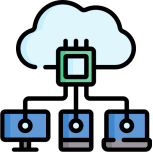
Edge computing works by distributing data processing tasks between edge devices and cloud systems. It ensures that time-sensitive data is handled locally while less critical data is sent to the cloud. The list of working steps of edge computing in IoT is given below.
1. Data Generation by IoT Devices
IoT devices like sensors, cameras, and smart machines generate large amounts of data continuously. This data can include temperature readings, video streams, or user activity information.
- Sensors Collect Data: Devices capture real-time environmental or system data
- Continuous Data Flow: Data is generated in large volumes every second
- Different Data Types: Structured, unstructured, and real-time data
2. Data Processing at the Edge Layer
Instead of sending all data to the cloud, edge devices process data locally using embedded systems or edge servers. This reduces delay and improves performance.
- Edge Devices Analyze Data: Local processing filters and analyzes data
- Quick Decision Making: Immediate actions can be taken without cloud dependency
- Filtering of Data: Only useful data is selected for further processing
3. Data Filtering and Aggregation
Edge computing systems filter unnecessary data and aggregate useful information before sending it to the cloud. This step reduces bandwidth usage.
- Remove Redundant Data: Unimportant data is discarded
- Combine Relevant Data: Important data is grouped for better analysis
- Optimize Transmission: Reduces network traffic and cost
4. Data Transmission to Cloud (Optional)
After local processing, selected data is sent to the cloud for long-term storage, advanced analytics, or machine learning.
- Send Processed Data: Only meaningful insights are transmitted
- Cloud Storage: Data is stored securely for future use
- Advanced Analytics: Cloud performs deep analysis and predictions
5. Action and Response
Based on processed data, the system performs actions automatically or provides insights to users.
- Automated Actions: Devices respond instantly (e.g., turning on alarms)
- User Notifications: Alerts or insights are sent to users
- System Optimization: Continuous improvement based on data
Components of Edge Computing in IoT
Edge computing involves multiple components working together to process and manage data efficiently. The list of key components of edge computing systems is given below.
1. IoT Devices and Sensors
These are the primary sources of data in IoT systems. They collect real-time information from the environment.
- Examples: Temperature sensors, cameras, smart meters
- Function: Data collection and transmission
- Role: Starting point of data flow
2. Edge Devices or Gateways
Edge devices act as intermediaries between IoT devices and the cloud. They process data locally.
- Examples: Edge servers, routers, gateways
- Function: Data processing and filtering
- Role: Reduce dependency on cloud
3. Edge Computing Software
Software tools and platforms enable data processing, analytics, and communication at the edge.
- Real-Time Analytics Tools: Analyze data instantly
- Device Management Software: Monitor and control devices
- Security Systems: Protect data and devices
4. Cloud Infrastructure
The cloud is still important for storing large datasets and performing advanced analysis.
- Data Storage: Long-term storage of IoT data
- Big Data Analytics: Deep insights and predictions
- Integration: Connects multiple IoT systems
Edge Computing vs Cloud Computing in IoT
Understanding the difference between edge and cloud computing helps in designing efficient IoT systems.
| Feature | Edge Computing | Cloud Computing |
|---|---|---|
| Data Processing | Near the device | Centralized data centers |
| Latency | Low latency (fast response) | Higher latency |
| Bandwidth Usage | Reduced | High |
| Real-Time Capability | Excellent | Limited |
| Dependency on Internet | Low | High |
| Security | More local control | Centralized security |
Real-World Example of Edge Computing in IoT
Edge computing is widely used in real-world applications where speed and efficiency are critical. The list of practical examples of edge computing usage is given below.
1. Smart Traffic Systems
Smart traffic lights use edge computing to analyze vehicle flow and adjust signals in real time.
- Real-Time Decisions: Traffic signals change instantly
- Reduced Congestion: Efficient traffic management
- Improved Safety: Faster response to emergencies
2. Healthcare Monitoring Systems
Wearable devices monitor patient health and process data locally to detect issues quickly.
- Instant Alerts: Detect abnormal health conditions
- Reduced Delay: Immediate medical response
- Data Privacy: Sensitive data processed locally
3. Industrial IoT (IIoT)
Factories use edge computing to monitor machines and detect faults in real time.
- Predictive Maintenance: Identify issues before failure
- Improved Efficiency: Reduce downtime
- Automation: Smart manufacturing processes
Advantages of Edge Computing in IoT
Edge computing offers several benefits that improve IoT system performance and reliability. The list of advantages is given below.
- Low Latency: Faster processing and response
- Bandwidth Efficiency: Reduces data transfer costs
- Enhanced Security: Local data handling improves privacy
- Scalability: Easily supports large IoT networks
- Reliability: Works even with poor internet connectivity
Challenges of Edge Computing in IoT
Despite its benefits, edge computing also has some challenges that need to be addressed. The list of common challenges is given below.
- Complex Infrastructure: Requires proper setup and management
- Security Risks: Edge devices can be vulnerable to attacks
- Limited Resources: Edge devices have less processing power than cloud
- Maintenance Issues: Managing multiple edge devices can be difficult
Future of Edge Computing in IoT
The future of edge computing in IoT looks promising with the growth of smart technologies and real-time applications. The list of future trends and developments is given below.
- Integration with AI: Smart decision-making at the edge
- 5G Technology: Faster and more reliable connectivity
- Edge AI Devices: Intelligent processing on devices
- Increased Adoption: More industries using edge computing
Conclusion
Edge Computing in IoT is transforming how data is processed by bringing computation closer to devices. It enables faster decisions, reduces latency, and improves system efficiency, making it essential for modern IoT applications.