









Industrial IoT (IIoT) and Smart Systems
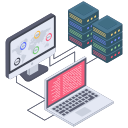
Industrial IoT (IIoT) and smart systems represent the use of Internet of Things technologies in industries to improve automation, efficiency, and decision-making. By connecting machines, sensors, and software, IIoT enables industries to operate smarter, faster, and more reliably. For students, understanding this topic is essential to explore modern industrial automation and digital transformation.
What is Industrial IoT (IIoT)?
Industrial IoT (IIoT) refers to the application of IoT technologies in industrial environments such as manufacturing, energy, and logistics.
Simple Meaning:
Using smart machines and sensors in industries to automate and improve operations.
Key Idea:
Machines → Sensors → Data → Analysis → Action
What are Smart Systems?
Smart systems are automated systems that use data, sensors, and intelligence to make decisions and perform actions with minimal human involvement.
Simple Meaning:
Systems that can sense, think, and act automatically.
Key Components of IIoT Systems
1. Industrial Sensors
Sensors: Collect data such as temperature, pressure, and vibration.
2. Machines and Devices
Industrial Devices: Machines, robots, and equipment connected to networks.
3. Connectivity
Networks: Wi-Fi, Ethernet, cellular, and industrial protocols.
4. Data Processing Systems
Processing: Cloud and edge systems analyze data.
5. Control Systems
Controllers: PLCs (Programmable Logic Controllers) and SCADA systems.
How IIoT Works
Understanding the working process of IIoT helps students visualize industrial systems.
Step 1: Data Collection
Sensors collect machine data
Step 2: Data Transmission
Data is sent through networks
Step 3: Data Processing
Systems analyze data
Step 4: Decision Making
Insights are generated
Step 5: Action
Machines adjust operations automatically
Features of IIoT and Smart Systems
Automation: Reduces manual work
Real-Time Monitoring: Continuous tracking
Predictive Maintenance: Prevents machine failure
High Efficiency: Optimizes operations
Scalability: Supports system expansion
Applications of Industrial IoT
1. Smart Manufacturing
Use: Automated production lines and quality control
2. Predictive Maintenance
Use: Detect issues before machine failure
3. Energy Management
Use: Monitor and optimize energy usage
4. Supply Chain Management
Use: Track goods and logistics
5. Smart Warehousing
Use: Automated inventory systems
Benefits of IIoT
Improved Efficiency: Faster and optimized processes
Reduced Downtime: Prevent machine failures
Cost Savings: Lower maintenance and operational costs
Better Safety: Reduce risks in hazardous environments
Data-Driven Decisions: Use analytics for planning
Challenges of IIoT
Security Risks: Vulnerability to cyber attacks
High Initial Cost: Expensive setup
Complex Integration: Difficult to integrate systems
Data Management: Handling large data volumes
Skill Requirements: Need for technical expertise
IIoT vs Traditional Systems
Understanding the difference helps students see the value of IIoT.
Traditional Systems:
Manual operations and limited automation
IIoT Systems:
Automated, connected, and data-driven operations
Real-World Example
Smart Factory:
Sensors: Monitor machine performance
System: Analyze data
Action: Machines adjust automatically
Result: Improved efficiency and reduced downtime
Role of AI in IIoT
Artificial Intelligence (AI) enhances IIoT systems.
Predictive Analysis: Forecast machine issues
Automation: Smart decision-making
Optimization: Improve performance
Importance for Students
Understanding IIoT and smart systems is important for modern technology learning.
Concept Clarity: Learn industrial automation
Practical Knowledge: Connect theory with real systems
Career Opportunities: Roles in IoT, AI, and industry
Future Readiness: Prepare for Industry 4.0
Key Concepts Students Should Remember
IIoT: IoT used in industries
Smart Systems: Automated and intelligent systems
Components: Sensors, machines, connectivity
Applications: Manufacturing, logistics, energy
Benefits: Efficiency and automation
Conclusion
Industrial IoT (IIoT) and smart systems are transforming industries by enabling automation, real-time monitoring, and intelligent decision-making. These systems improve efficiency, reduce costs, and enhance safety. For students, mastering this topic is essential to understand modern industrial technologies and prepare for future innovations in Industry 4.0.
Chapter 12: Industrial IoT (IIoT) and Smart Systems – Subtopics
- Industrial IoT (IIoT) Explained
- Difference Between IoT and IIoT
- IIoT Architecture and Core Components
- Smart Manufacturing and Industry 4.0
- Industrial Automation Using IoT
- Role of Sensors and Machines in IIoT
- Predictive Maintenance in IIoT Systems
- Real-Time Monitoring in Industrial IoT
- Smart Factories and Connected Production
- IoT in Supply Chain and Logistics Automation
- SCADA Systems and IIoT Integration
- Robotics and Automation in Smart Systems
- Digital Twin Technology in IIoT
- Data Analytics in Industrial IoT
- Edge Computing in IIoT Systems
- Industrial IoT Security Challenges
- Benefits of IIoT in Industries
- Challenges in Industrial IoT Implementation
- Energy Management in Smart Industrial Systems
- Future Trends in IIoT and Smart Systems