



IoT Platforms, Tools, and Technologies
The IoT platforms, tools, and technologies form the backbone of modern Internet of Things systems. They provide the environment, software, and infrastructure needed to build, manage, and scale IoT solutions. For students, understanding these elements is essential to develop practical knowledge and real-world IoT applications.
What are IoT Platforms?
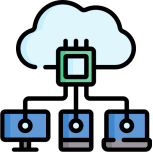
IoT platforms are software and cloud-based environments that help in connecting devices, collecting data, processing information, and managing IoT systems.
Simple Meaning:
A platform is a system where IoT devices connect, and data is managed.
Key Idea:
Devices → Platform → Data Processing → Application
Functions of IoT Platforms
IoT platforms perform multiple important functions.
Device Connectivity: Connect and manage IoT devices
Data Collection: Gather data from sensors
Data Processing: Analyze and process data
Device Management: Monitor and control devices
Security Management: Protect data and devices
Application Integration: Connect with apps and services
Types of IoT Platforms
1. Cloud-Based IoT Platforms
Cloud IoT platforms provide centralized services for IoT systems.
Key Features:
Scalable Infrastructure: Handles large data and devices
Remote Access: Access from anywhere
High Processing Power: Supports analytics and AI
Examples:
AWS IoT: Amazon’s cloud IoT platform
Microsoft Azure IoT: Enterprise-level platform
Google Cloud IoT: Data analytics-focused platform
2. Edge IoT Platforms
Edge platforms process data near the device.
Key Features:
Low Latency: Faster response time
Local Processing: Data handled near devices
Reduced Bandwidth Usage: Less data sent to cloud
Example:
Local gateways and edge servers
3. Open-Source IoT Platforms
Open-source platforms are flexible and customizable.
Key Features:
Free to Use: No licensing cost
Customizable: Modify as needed
Community Support: Large developer communities
Examples:
ThingsBoard: Open-source IoT platform
Kaa IoT: Flexible IoT platform
Node-RED: Flow-based IoT tool
4. Industrial IoT Platforms
Industrial IoT (IIoT) platforms are used in manufacturing and industries.
Key Features:
High Reliability: Supports critical operations
Real-Time Monitoring: Tracks machines
Automation Support: Improves efficiency
Examples:
Siemens MindSphere
IBM Watson IoT
IoT Development Tools
IoT tools help developers build, test, and deploy IoT applications.
1. Hardware Development Tools
Arduino: Microcontroller platform for beginners
Raspberry Pi: Small computer for IoT projects
2. Software Development Tools
Programming Languages: Python, C, JavaScript
Frameworks: Node.js, TensorFlow
3. Data Analytics Tools
Big Data Tools: Hadoop, Spark
Visualization Tools: Power BI, Tableau
4. Simulation Tools
IoT Simulators: Used to test IoT systems before deployment
Core Technologies Behind IoT
Several technologies support IoT systems.
1. Sensors and Actuators
Sensors: Collect data
Actuators: Perform actions
2. Connectivity Technologies
Wi-Fi, Bluetooth, Cellular, LPWAN: Enable communication
3. Cloud Computing
Cloud: Provides storage and processing
4. Edge and Fog Computing
Edge/Fog: Process data closer to devices
5. Artificial Intelligence (AI)
AI: Enables smart decision-making
6. Big Data Analytics
Big Data: Processes large volumes of IoT data
How IoT Platforms Work
Understanding the working process helps students visualize IoT systems.
Step 1: Device Connection
Devices connect to the platform
Step 2: Data Collection
Sensors send data
Step 3: Data Processing
Platform analyzes data
Step 4: Decision Making
Insights are generated
Step 5: Action/Output
Devices respond or users receive results
Real-World Examples
Smart Home Systems
Platform: Controls devices and manages data
Healthcare Systems
Platform: Monitors patient data
Industrial IoT
Platform: Manages machines and operations
Advantages of IoT Platforms and Tools
Easy Development: Simplifies IoT application building
Scalability: Supports large systems
Automation: Enables smart operations
Real-Time Monitoring: Instant data updates
Integration: Connects multiple services
Challenges of IoT Platforms
Security Risks: Data protection issues
Complexity: Requires technical knowledge
Cost: Some platforms are expensive
Compatibility Issues: Different standards
Maintenance: Continuous updates needed
Importance for Students
Understanding IoT platforms, tools, and technologies is essential for practical learning.
Hands-On Learning: Build real IoT projects
Skill Development: Programming and system design
Career Opportunities: IoT developer, cloud engineer
Future Readiness: Learn modern technologies
Key Concepts Students Should Remember
IoT Platforms: Manage devices and data
Tools: Help build and test systems
Technologies: Sensors, cloud, AI, connectivity
Workflow: Device → Platform → Processing → Action
Applications: Used in homes, healthcare, industries
Conclusion
The IoT platforms, tools, and technologies provide the foundation for building and managing modern IoT systems. Platforms handle connectivity and data, tools support development, and technologies enable smart functionality. For students, mastering these concepts is crucial to develop practical skills and succeed in the field of IoT.
Chapter 08: IoT Platforms, Tools, and Technologies – Subtopics
- IoT Platforms Explained
- Types of IoT Platforms (Cloud-Based, On-Premise, Hybrid)
- Popular IoT Platforms (AWS IoT, Azure IoT, Google IoT)
- Open-Source IoT Platforms (ThingsBoard, Kaa, Eclipse IoT)
- IoT Development Tools and Frameworks
- Programming Languages for IoT Development
- IoT SDKs and APIs Explained
- Device Management in IoT Platforms
- Data Management and Analytics Tools in IoT
- IoT Visualization and Dashboard Tools
- Integration Tools for IoT Systems
- Edge IoT Platforms and Tools
- IoT Testing and Simulation Tools
- IoT Hardware Development Tools
- Security Tools in IoT Platforms
- Automation Tools in IoT Development
- IoT Middleware Technologies
- Low-Code and No-Code IoT Platforms
- Challenges in IoT Platforms and Tools
- Future Trends in IoT Technologies